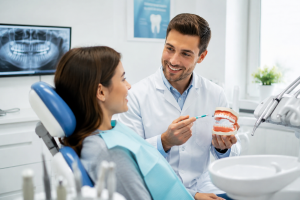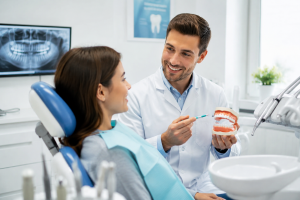
When dental pain or a knocked-out tooth strikes, you need fast, practical care you can trust in Kalispell. Local emergency dental services act quickly to stop pain, stabilize teeth, and prevent infection, giving you clear next steps for recovery.
They explain what counts as an emergency, walk you through what happens during an urgent visit, and outline payment and insurance options so you can focus on healing. You’ll learn how nearby dentists handle common crises, tips to prevent future emergencies, and how to choose a trusted emergency provider in your area.
Recognizing Dental Emergencies
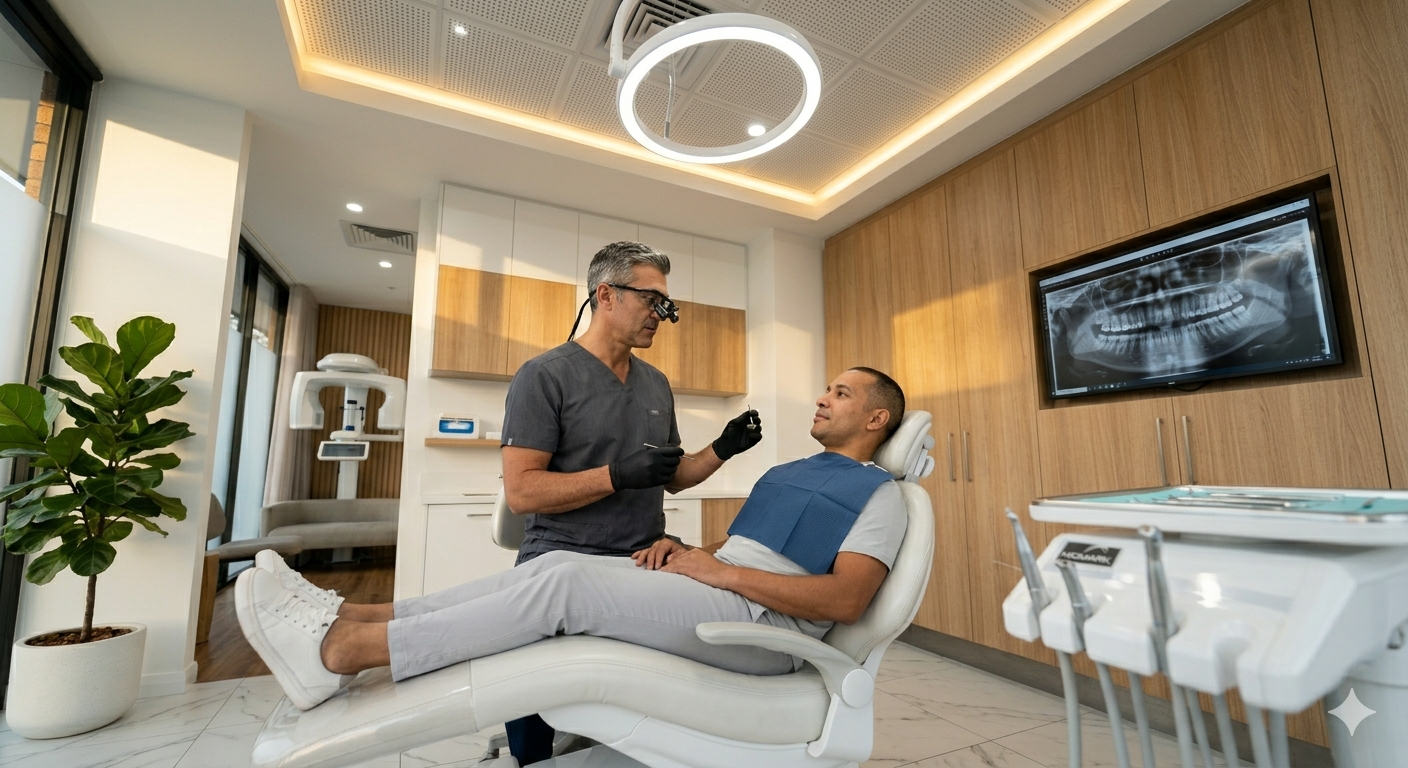
This section explains how to identify urgent dental problems, when immediate care is essential, and what can happen if treatment is delayed. It highlights specific symptoms and risks so readers know when to act fast and when to seek routine care.
Common Signs and Symptoms
Severe, persistent tooth pain that wakes a person at night or prevents eating often indicates an infection or exposed nerve. Pain that radiates to the jaw, ear, or temple suggests spreading inflammation that needs prompt evaluation.
Visible trauma such as a tooth chipped, cracked, or completely knocked out requires quick action to improve chances of saving the tooth. A knocked-out tooth should be held by the crown, rinsed gently, and placed back in the socket or stored in milk or saline until reaching a dentist.
Swelling of the face, cheek, or jaw—especially with fever—signals a likely abscess or cellulitis. Uncontrolled bleeding after an injury or extraction that soaks gauze within 15–20 minutes needs immediate care. Loose teeth from trauma, sudden bite changes, and persistent bad taste or drainage also warrant urgent attention.
When to Seek Immediate Care
Seek emergency dental care when pain is severe despite over-the-counter analgesics and cold packs. If a tooth has been avulsed (knocked out), arrive at the clinic within 1–2 hours for the best chance of reimplantation.
Go to the emergency room or an after-hours dental clinic for swelling that impedes breathing, swallowing, or causes difficulty opening the mouth. Profuse bleeding that doesn’t stop with firm pressure for 20 minutes, or trauma with suspected jaw fracture, requires immediate professional intervention.
For high fever with dental pain, uncontrolled diabetes, or compromised immunity, prompt dental assessment reduces the risk of rapid spread. If unsure, contacting an emergency dental service in Kalispell for triage by phone can direct whether to come in or manage temporarily at home.
Risks of Delaying Treatment
Delaying care for a dental abscess can allow infection to spread into the jaw, neck, or bloodstream, creating life-threatening complications like sepsis. A small infection controlled early often needs only antibiotics and a targeted dental procedure; left untreated it may require hospitalization.
Postponing treatment for a fractured tooth increases the likelihood of nerve damage and need for root canal therapy or extraction. A knocked-out tooth not reimplanted quickly usually cannot be saved, leading to the need for implants or bridges later.
Chronic untreated pain and infection can impair eating, sleep, and work. Early evaluation in Kalispell’s emergency dental clinics often preserves teeth, prevents systemic illness, and shortens overall recovery time.
Types of Urgent Dental Problems
Common urgent dental issues include severe pain, visible trauma, and lost restorations that expose nerves or allow bacteria inside the tooth. Rapid care often prevents infection, saves teeth, and reduces the need for more complex treatment later.
Toothaches and Infections
Toothaches range from dull, persistent pain to sharp, throbbing pain that wakes a patient at night. They often signal deep decay, a cracked tooth, or an abscessed tooth where bacteria have reached the pulp and formed a pus-filled pocket.
Signs that require immediate attention include swelling of the face or gums, fever, severe constant pain, or a bad taste in the mouth. Local treatment may include antibiotics for spreading infection, root canal therapy to remove infected pulp, or extraction if the tooth cannot be saved.
At-home measures before seeing a dentist include rinsing with warm salt water, taking over-the-counter pain relievers as directed, and avoiding very hot or cold foods. They should not use heat on swelling or place aspirin directly on the gum, which can damage tissue.
Broken or Knocked-Out Teeth
A chipped tooth may only need smoothing and a filling, but a large fracture that exposes the pulp requires urgent care to prevent infection. A completely knocked-out (avulsed) permanent tooth is a dental emergency with the best chance of reimplantation within 30–60 minutes.
If a tooth is knocked out, the patient or caregiver should hold it by the crown, rinse it gently without scrubbing, and try to reinsert it if possible. If reinsertion isn’t possible, store the tooth in milk or a tooth-preservation solution and get to the dentist immediately.
For fractures that leave a sharp edge or significant aesthetic damage, dentists can place bonding, crowns, or veneers depending on the fracture location and extent. Children with knocked-out primary (baby) teeth should still see a dentist, but reimplantation is not recommended for primary teeth.
Lost Fillings and Crowns
A lost filling or crown can expose dentin or the pulp, causing sensitivity, pain, or recurrent decay. Leaving a tooth unprotected increases the risk of fracture and infection, so patients should arrange prompt dental evaluation.
Temporary measures include placing dental cement from a pharmacy into the cavity or fitting the crown back on with temporary adhesive, but these are short-term fixes. Patients should avoid sticky, hard, or chewy foods and chew on the opposite side until definitive treatment.
Definitive care usually involves replacing the filling or fabricating a new crown. If decay or fracture under the restoration is present, the dentist may need to perform a root canal or build up the tooth with a post and core before placing a new crown.
What to Expect During an Emergency Dental Visit
Patients receive a focused, step-by-step approach designed to stop pain, assess damage, and begin treatment quickly. Staff prioritize pain control, accurate diagnosis, and clear options so patients understand next steps and likely outcomes.
Initial Assessment and Diagnosis
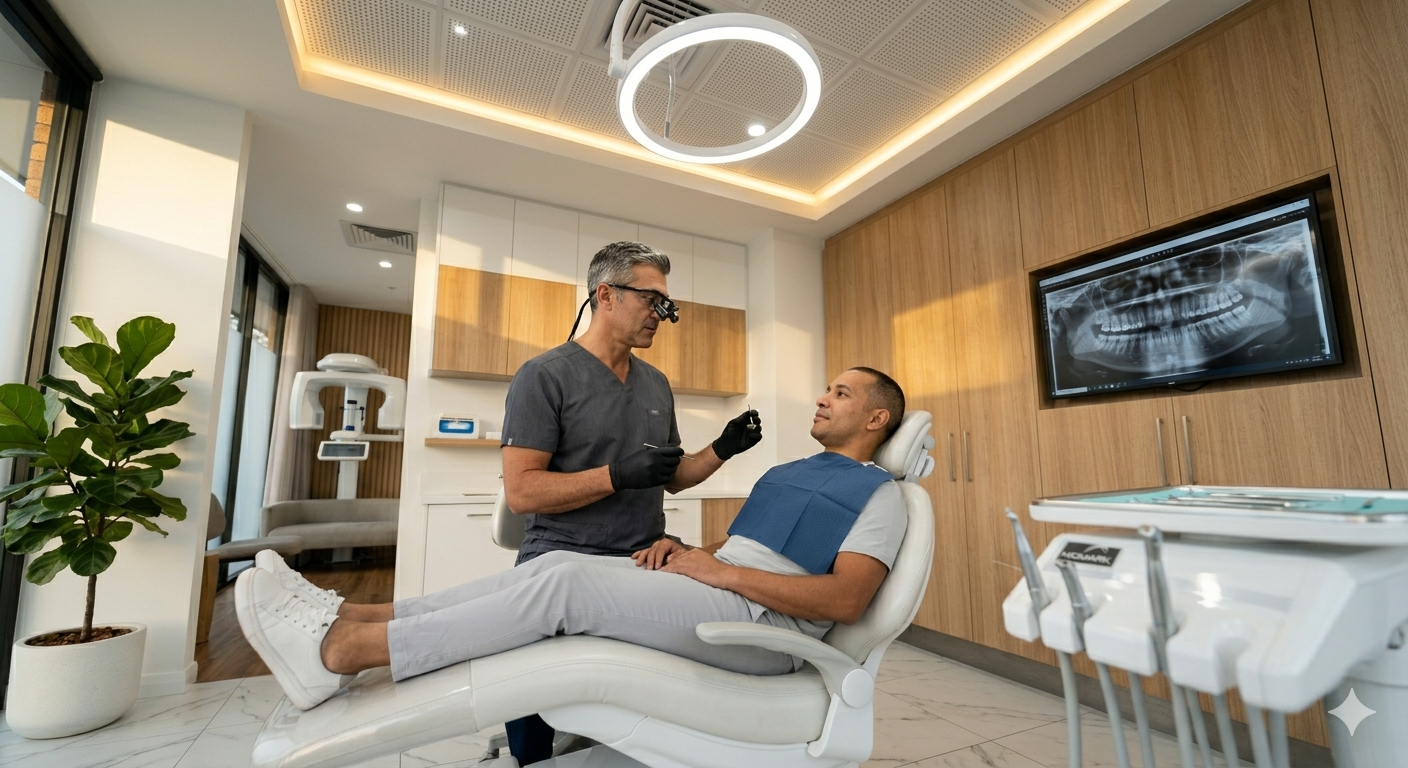
The dental team takes a concise medical and dental history, asking about allergies, current medications, and the events leading to the problem. They perform a targeted exam of the mouth, face, and jaw, checking for swelling, loose teeth, broken restorations, and signs of infection.
Staff often use digital X-rays or a cone-beam CT when needed to locate fractures, root issues, or bone involvement. Photographs may be taken for records and to explain findings to the patient.
The clinician explains the diagnosis in plain language, outlines immediate risks (for example, spreading infection or tooth loss), and discusses whether emergency extraction, root canal, or temporary stabilization is needed. Time estimates and cost ballpark figures are provided when possible.
Comfort Measures and Pain Management
Clinicians prioritize immediate pain relief using topical anesthetic for soft tissues and local anesthetic for the tooth and surrounding nerves. For severe pain, they may provide short-term oral pain medications such as ibuprofen and, if appropriate, prescribe an opioid for very short durations.
If swelling or infection is present, the dentist may start antibiotics the same day, explaining indications, likely duration, and side effects. Cold compresses and elevation advice are given for facial swelling.
Dental staff offer anxiolytic options—nitrous oxide or oral sedatives—if anxiety makes treatment difficult. They explain what to expect during sedation, fasting requirements, and the need for a responsible adult after treatment when sedation is used.
Treatment Options Available
Immediate options aim to stabilize the problem: temporary crowns, bonding to reattach fractured enamel, splinting loose teeth, or placing a sedative dressing for exposed pulp. These measures protect the tooth and control pain while planning definitive care.
Definitive treatments commonly include root canal therapy to save a tooth with pulp damage, permanent crowns for structural restoration, or extraction with same-day or delayed implant planning if the tooth cannot be saved. The dentist outlines timelines and follow-up visits for each path.
The team discusses cost, insurance estimates, and payment options openly. Patients receive written care instructions, prescriptions, and a clear follow-up plan—often scheduling the next appointment before they leave—to ensure continuity of care and recovery.
How Local Dentists Support Patients in Crisis
Local dental teams in Kalispell focus on quick access, clear coordination with other clinicians, and patient comfort during stressful situations. They offer flexible scheduling, direct communication with emergency departments and physicians, and practical steps to reduce anxiety and pain.
After-Hours and Same-Day Appointments
Many practices keep a rotating on-call schedule so a dentist or emergency coordinator can be reached evenings and weekends. Patients often call a central clinic number; staff triage the problem and either provide phone guidance, schedule a same-day slot, or direct the caller to the nearest ER for life-threatening issues such as uncontrolled bleeding or facial swelling affecting breathing.
Same-day visits typically prioritize severe pain, trauma, abscesses, and knocked-out teeth. Dentists in Kalispell will perform rapid exam, pain control (local anesthesia or limited sedation), and emergency procedures like temporary fillings, tooth splinting, incision and drainage, or extractions. Follow-up appointments are scheduled for definitive care such as root canal therapy or crown placement.
Coordinating With Medical Providers
Local dentists communicate with primary care physicians, urgent care clinics, and hospital emergency departments to manage patients whose dental problems affect overall health. They send bitewing or periapical x-rays, treatment notes, and current medications to physicians when systemic infection, anticoagulation, or complex medical history is involved.
When a patient presents with fever, spreading infection, or airway compromise, the dentist will call 911 or transfer care to the ER while providing records and imaging. For patients on blood thinners, the dentist consults the prescriber to balance bleeding risk and urgency of dental procedures. This coordination reduces delays and prevents conflicting treatment plans.
Support for Nervous Patients
Dental teams offer multiple strategies to help anxious patients get urgent care without escalation. Staff explain each step before treatment, use topical numbing and distraction techniques (music, guided breathing), and provide short-acting nitrous oxide or oral sedatives when appropriate and safe.
Clinicians also create written aftercare plans and pain-management instructions to reduce uncertainty after the visit. For patients with a history of dental trauma or strong phobia, the office may schedule a calm pre-visit or meet-and-greet with the dentist to build trust before performing emergency procedures.
Preventing Future Dental Emergencies
Maintain daily habits, use proper protective equipment during activities, and learn the early signs of trouble to reduce the chance of urgent visits. Small, consistent actions—like brushing correctly, wearing a fitted mouthguard, and recognizing persistent pain—prevent many crises and save time and money.
Everyday Oral Care Tips
Brush twice daily for two minutes with a soft-bristled brush and fluoride toothpaste, focusing on all tooth surfaces and the gum line. Replace the brush every three months or sooner if bristles flare.
Floss once daily using gentle C-shaped motions to remove plaque between teeth; interdental brushes or water flossers work better for wide spaces or braces. Rinse with an ADA-accepted fluoride mouthwash when recommended by a dentist to strengthen enamel.
Schedule dental checkups and cleanings every six months, or more often if a dentist advises due to gum disease or high cavity risk. Limit sticky and sugary snacks, drink water instead of soda, and avoid chewing ice or hard objects that can crack teeth.
Protective Gear for Sports and Activities
Use a custom or boil-and-bite mouthguard for contact sports such as football, hockey, and boxing to protect teeth, lips, and jaw. Custom mouthguards from a dentist provide the best fit and reduce concussion risk by stabilizing the jaw.
Wear a face shield or helmet with a full-face cage when playing baseball, lacrosse, or skateboarding to prevent facial fractures. For amateur and youth athletes, ensure coaches enforce mouthguard use and check for proper fit before play.
For grinding or clenching (bruxism), ask a dentist about a nightguard to prevent enamel wear and cracked teeth. Store guards in a ventilated case, clean them daily, and replace them when worn or after significant dental work.
Recognizing Early Warning Signs
Persistent tooth sensitivity to hot, cold, or sweet foods that lasts more than a few days may signal decay, an exposed root, or a failing filling. See a dentist promptly to prevent progression to infection.
Swelling of gums, a persistent bad taste, or drainage near a tooth can indicate an abscess. Facial swelling with fever requires same-day attention to reduce the risk of spreading infection.
Cracked, loose, or discolored teeth after an injury need immediate evaluation; even small cracks can worsen over time. New or severe jaw pain, clicking on opening, or difficulty chewing may point to joint or muscle problems that benefit from early treatment.
If any of these signs appear, they should consult their dental office promptly to arrange an exam, imaging, or temporary measures to stabilize the problem.
Insurance and Payment Solutions
Patients in Kalispell often worry about cost when an emergency happens. The clinic accepts most major dental insurance plans and verifies benefits before treatment whenever possible to reduce surprises.
They offer a clear breakdown of expected patient responsibility, including co-pays, deductibles, and non-covered services. Staff explains in simple terms what the insurer will likely pay and what the patient will owe at the time of service.
For those without insurance, the office provides several options:
- Sliding-fee arrangements based on income for qualifying patients.
- In-house payment plans allowing small, interest-free installments.
- Third-party financing through trusted medical credit vendors for larger treatments.
Patients receive written estimates for urgent procedures so decisions stay informed and calm. If treatment can safely wait, staff discusses alternatives that balance cost and clinical need.
Emergency visits often include immediate relief first, followed by proposed restorative work later. They encourage patients to call ahead and bring any insurance cards or employer information to speed verification.
If unsure about coverage, the front desk helps them call the insurer and submit claims electronically. The team invites patients to ask questions and schedule a consultation to review payment options tailored to their situation.
Finding Trustworthy Emergency Dentists in Kalispell
Patients should look for dentists who advertise emergency availability and same-day appointments to reduce pain and prevent complications. Offices that list clear after-hours contact methods and triage protocols show preparedness and respect for urgent needs.
Check credentials and experience — license status, emergency training, and years in practice matter. Reviews from local patients often reveal how staff handle stress, comfort anxious patients, and manage pain effectively.
Call ahead to describe symptoms and ask specific questions: availability, estimated wait time, sedation options, and whether they accept your insurance. A friendly, informative phone response signals a practice that values patient comfort and clear communication.
Consider location and facility readiness; proximity to the ER can matter for severe trauma. Look for practices with on-site imaging or fast referral relationships to specialists when needed.
Use this short checklist when choosing:
- Verified license and emergency training
- Clear after-hours contact and same-day slots
- Positive local reviews mentioning comfort and quick relief
- Transparent cost and insurance policies
If uncertainty remains, they can request a brief phone consult or visit during regular hours to meet staff and tour the clinic. Encouraging a quick call helps patients move from worry to action and ensures timely, compassionate care.
Taking the Next Step Toward Relief
When dental pain or a damaged tooth interrupts daily life, prompt action helps prevent bigger problems. They should call an emergency dental office in Kalispell, MT, as soon as possible to get an assessment and a treatment timeline.
If the situation allows, patients can prepare by noting symptoms, recent dental history, and any medications. This information speeds diagnosis and helps clinicians prioritize care.
Many clinics offer same-day appointments or after-hours options; patients should ask about walk-in availability and weekend coverage. They should also confirm whether the office accepts their insurance or offers payment plans.
For immediate at-home stabilization, cold packs, OTC pain relievers, and gentle rinsing with warm salt water can reduce discomfort. These measures do not replace professional care but can make the trip to the dentist more manageable.
Below is a quick checklist to guide action:
- Call the emergency dental clinic and describe symptoms.
- Gather medical and dental history plus insurance details.
- Follow simple home first-aid steps until seen.
- Ask about same-day treatment, sedation options, and costs.
Encourage patients to contact their local Kalispell emergency dentist promptly for evaluation and to discuss treatment choices. They will receive personalized recommendations focused on comfort, effective pain control, and restoring oral health.
Frequently Asked Questions
This section answers common concerns about urgent dental needs in Kalispell, MT, including what counts as an emergency, safe at-home steps for pain and swelling, when to use the emergency room, recognizing infections, timing for urgent repairs, and care options without insurance.
What counts as a true dental emergency versus something that can wait until the next day?
True dental emergencies include uncontrolled bleeding, severe facial swelling that affects breathing or swallowing, a knocked-out tooth, or severe trauma to the jaw.
Pain that is intense, sudden, or accompanied by fever and facial swelling should be treated immediately.
Problems that can usually wait until the next day include mild tooth sensitivity, a small chip without pain, or a lost temporary filling without signs of infection.
If symptoms worsen overnight, the situation should be reassessed as an emergency.
If I can’t reach a dentist right away, what should I do at home to manage pain and swelling safely?
Use over-the-counter ibuprofen or acetaminophen per package directions for pain control; do not exceed recommended doses.
Apply a cold pack to the outside of the cheek for 10–20 minutes at a time to reduce swelling.
Rinse gently with warm salt water (1/2 teaspoon salt in 8 ounces of water) several times a day to clean the area.
Avoid aspirin directly on gums or tooth roots and do not use alcohol, hydrogen peroxide, or unproven home remedies.
Will the emergency room treat a toothache or dental infection, and when should I go there instead of a dental office?
Emergency rooms treat life-threatening dental issues such as severe infection with fever, spreading facial swelling, or airway compromise.
They can provide pain control and IV antibiotics but usually cannot perform definitive dental procedures like extractions or root canals.
Go to the ER if breathing or swallowing is impaired, swelling spreads rapidly, or the patient has a high fever and cannot access dental care.
For isolated tooth pain without systemic signs, seek urgent dental clinics or dentist-on-call services first.
What should I do if I think I have a tooth infection—especially if I’m hearing about the “3-3-3 rule”?
A tooth infection with swelling, fever, or spreading redness needs prompt evaluation by a dentist.
The so-called “3-3-3 rule” (three days of worsening pain, three teeth involved, three separate areas of swelling) is not a formal guideline but a lay mnemonic; clinical assessment matters more.
If symptoms include fever, difficulty breathing, or rapidly worsening facial swelling, go to the ER or an urgent dental clinic immediately.
If symptoms are localized and milder, call a dental office for same-day or next-day evaluation and possible antibiotics plus definitive treatment.
How quickly can I be seen for a broken tooth, lost filling, or knocked-out tooth, and what should I bring to the visit?
Many dental offices in Kalispell offer same-day or next-day slots for broken teeth and lost fillings; a knocked-out permanent tooth requires immediate attention—ideally within 60 minutes for the best chance of re-implantation.
Bring a photo ID, insurance or Medicaid card if available, and a list of current medications.
For a knocked-out tooth, keep it moist in milk or saline and bring the tooth in a clean container; avoid scrubbing the root.
For a broken tooth or lost filling, bring any fragments or the lost filling and note when the damage occurred.
If I don’t have dental insurance or I’m on Medicaid, what options are there for getting urgent dental care?
Kalispell offers community clinics and dental schools that may provide reduced-cost urgent care or sliding-scale fees based on income.
Medicaid covers many emergency dental services for eligible adults and children in Montana; check specific coverage and participating providers.
Local dental offices sometimes reserve limited slots for uninsured urgent cases and accept payment plans or credit options.
Calling multiple clinics, community health centers, or the county health department helps locate the fastest affordable option.