
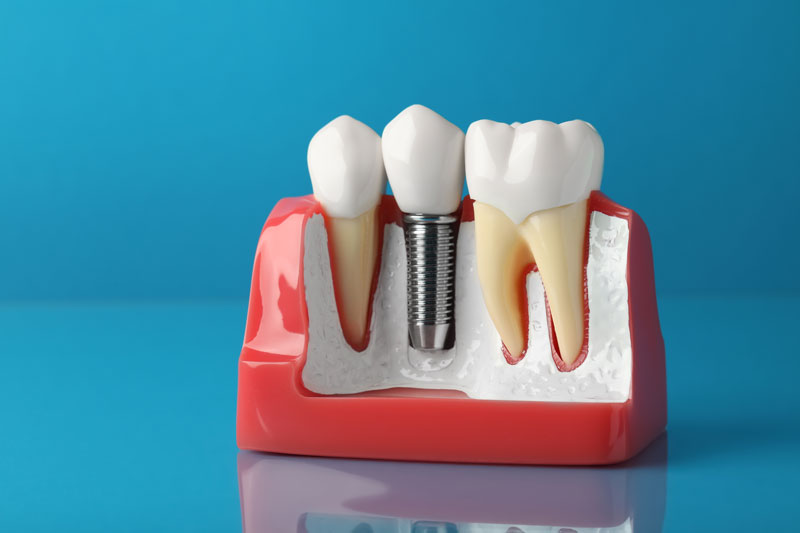
Surgery for dental implants means placing a small titanium post into your jaw to replace a missing tooth root, then attaching a tooth crown later. For many Montana patients, this is a reliable way to restore chewing, speech, and the look of a natural tooth. This post covers what to expect: who is a good candidate, the steps of the procedure, benefits and risks, recovery, costs, and how to find care near you. If you live in Montana and are thinking about getting a dental implant surgery in Montana, this guide will help you decide whether to pursue a consultation. It explains modern digital tools that improve accuracy, common comfort and sedation options, typical timelines, and realistic cost factors so you know what questions to ask your provider.
Who Is a Good Candidate for Surgery for Dental Implants in Montana?
– Missing one or more teeth. – Healthy gums free of infection. – Enough jawbone to hold a dental implant, or willing to have a graft. – Non-smoker or willing to quit around the time of surgery. – Chronic conditions (like diabetes) that are controlled. Special cases: long-term bone loss, uncontrolled diabetes, or heavy smoking may need extra care or delay. A consultation will confirm if a dental implant surgery in Montana is right for you.
What Happens During a Dental Implant Surgery in Montana?
First you’ll have a consultation and a CBCT scan for 3D imaging. The dentist uses digital planning software to map dental implant placement and may produce a 3D-printed surgical guide. During the procedure, local anesthesia (and optional sedation) is given, a dental implant is placed into the jaw, and the site is closed. Healing (osseointegration) takes weeks to months before a final tooth crown is attached.
Benefits and Risks of a Dental Implant Surgery
Benefits include a natural feel and appearance, bone preservation, and a long-term solution compared with dental bridges or dentures. Risks are low with modern planning but can include infection, nerve irritation, sinus problems (in upper jaw), or dental implant failure. Careful digital planning and experienced teams reduce these risks.
How Digital Technology Improves Dental Implant Surgeries in Montana
CBCT scans show bone and nerve anatomy in 3D. Dental implant planning software lets the team plan placement precisely. In-house 3D printing creates surgical guides that translate the plan into accurate placement. Digital impressions and CAD-CAM tooth crowns speed treatment and improve fit, making surgery for dental implants in Montana safer and more predictable.
Pain Control, Sedation, and Comfort During Dental Implant Surgery
Local anesthesia keeps the area numb. Many offices offer oral or IV sedation for anxiety or longer cases. Teams use gentle techniques, clear explanations, and numbing protocols to minimize discomfort during and after a dental implant surgery.
Recovery, Aftercare, and How Long Until You Can Use Your New Tooth
Expect mild swelling and soreness for a few days. Soft foods and ice packs help early on. Follow-up visits check healing. Osseointegration commonly takes 3–6 months before a final tooth crown, though some immediate-load cases allow a temporary tooth sooner. Watch for heavy bleeding, severe pain, or fever and contact your provider.
Cost, Insurance, and Financing Options for a Dental Implant Surgery in Montana
Costs depend on number of dental implants, bone grafts, and prosthetic type. Insurance may cover part (like extractions) but often not the dental implant itself. Many practices offer in-office financing, third-party plans, or phased treatment to spread cost and make a dental implant surgery in Montana more affordable.
How to Choose a Provider for Surgery for Dental Implants in Montana
Look for training and experience, use of CBCT and digital workflows, clear treatment plans, before-and-after photos, transparent pricing, and patient reviews. Get consultations and consider a second opinion for complex cases.
About Dr. Dave Dodrill and Flathead Dental Implant Arts
Dr. Dave Dodrill, DDS, graduated cum laude and completed advanced general dentistry training. He combines digital implant planning, CBCT, in-house 3D printing, guided surgery, and sedation to deliver minimally invasive care. Flathead Dental Implant Arts provides compassionate, tech-driven treatment in a warm, family-like setting.
Next Steps If You’re Considering Surgery for Dental Implants in Montana
Contact us to schedule a consultation and bring your medical history and any recent x-rays. A personalized plan will outline timing, costs, and whether a dental implant surgery in Montana is the right choice for your smile.