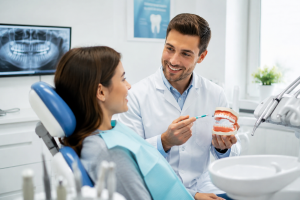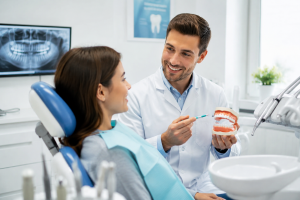
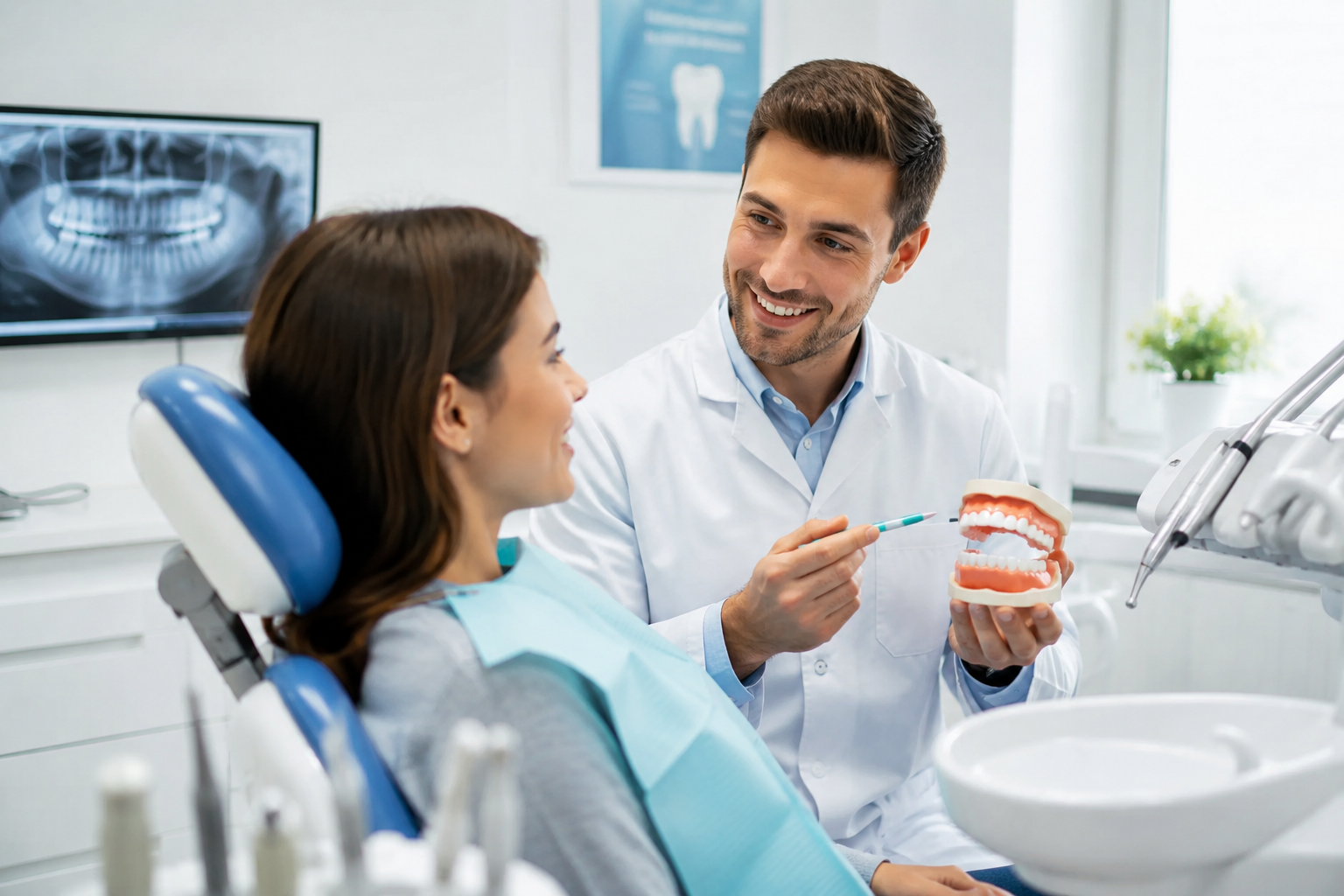
Regular dental checkups in Kalispell, MT help you catch problems early, keep your smile attractive, and reduce the chance of painful emergencies. By visiting the dentist routinely, you protect oral health, save money over time, and support overall wellness.
A consistent schedule also builds a trusting relationship with your local dental team, so care feels comfortable and personalized. This article will walk through practical prevention steps, how checkups can lower long-term costs, and tips for choosing the right Kalispell practice, so you can take confident next steps toward a healthier smile.
How Routine Dental Visits Safeguard Your Smile
Routine dental visits catch small problems before they become big, remove plaque and tartar that brushing misses, and monitor gum and bone health to prevent long-term damage. Patients who keep regular appointments benefit from personalized prevention, early treatments, and clear plans to maintain oral comfort and function.
Detection of Early Cavities
Dentists use a combination of visual exams, tactile probing, and digital X-rays to find tiny enamel breakdowns that a patient likely won’t notice. Detecting these early lesions often allows for minimally invasive treatments such as fluoride varnish, small composite fillings, or sealants rather than root canals or crowns.
During the visit, the clinician documents lesion size, location, and risk factors like diet or dry mouth and then recommends specific steps. Those steps commonly include targeted home-care advice, prescription fluoride, and a recall interval tailored to the patient’s risk profile.
Early detection also reduces cost and chair time. Treating a small cavity is quicker, costs less, and preserves more natural tooth structure than treating advanced decay.
Professional Teeth Cleaning
A dental hygienist removes hardened tartar (calculus) and biofilm from above and below the gumline using ultrasonic scalers and hand instruments. This cleaning reaches areas that a toothbrush and floss often miss, particularly between tight contacts and along the gum margin.
Hygiene visits typically include stain removal, polishing, and individualized instruction on brushing and interdental cleaning. For patients with heavy staining or sensitivity, hygienists can offer desensitizing pastes and home-care products that reduce discomfort.
Professional cleaning lowers bacterial load, reduces bad breath, and helps prevent both cavities and gum inflammation. Scheduling cleanings every three to six months depends on the patient’s calculus buildup and disease risk.
Gum Health Evaluations
Clinicians measure pocket depths, check for bleeding on probing, and assess gum recession and bone levels with periodic X-rays. These objective measures determine whether the patient has healthy gums, gingivitis, or periodontitis and guide treatment decisions.
When early gum disease appears, providers recommend non-surgical treatments such as scaling and root planing, improved home care, and antimicrobial rinses. For advanced disease, they discuss referral options, localized antibiotics, or surgical approaches to stop progression and preserve bone.
Ongoing monitoring detects changes between visits and documents treatment response. This allows clinicians to adjust therapies promptly and protect teeth from loosening or loss over time.
Prevention: The Heart of Modern Dental Care
Routine visits catch small problems early and keep patients comfortable with personalized plans. Regular exams, cleanings, and targeted screenings reduce the chance of invasive treatments and protect overall health.
Oral Cancer Screenings
Dental teams perform visual and tactile exams of the lips, tongue, floor of mouth, and throat to detect lesions, lumps, or color changes. They review tobacco and alcohol use, HPV risk, and symptoms like persistent sore throat or unexplained lumps to decide if further testing is needed.
Adjunct tools may include fluorescence or dye-based aids that highlight suspicious tissue not obvious to the eye. When a lesion looks concerning, the clinician arranges biopsy or referral promptly; early-stage oral cancers have far better treatment outcomes.
Patients should report any mouth sores that last more than two weeks, difficulty swallowing, or numbness. Documenting changes between visits and sharing lifestyle risks helps the dentist tailor surveillance and catch cancer at the earliest, most treatable stage.
Protecting Against Gum Disease
Periodontal exams measure pocket depths, bleeding on probing, and bone levels on X-rays to identify gingivitis or periodontitis. Cleanings remove plaque and calculus; for early disease this often halts progression and restores gum health with improved home care.
When pocket depths exceed 4–5 mm or bleeding persists, dentists recommend scaling and root planing, localized antibiotics, or laser therapy to reduce bacteria and inflammation. Ongoing maintenance every 3–4 months may follow to prevent recurrence in vulnerable patients.
Control of diabetes, smoking cessation, and consistent brushing and interdental cleaning significantly lower risk. The dental team creates a clear, personalized plan—behavioral steps, professional treatments, and monitoring—so patients understand the actions that preserve gums and keep teeth stable.
Long-Term Savings and Convenience
Routine checkups and cleanings reduce the chance of sudden dental emergencies and make appointment planning predictable. Regular visits also streamline treatment timelines and often lower the total time spent in dental chairs over a lifetime.
Avoiding Major Dental Treatments
Routine exams catch cavities, gum disease, and wear early, when fillings or focused periodontal therapy can fix problems quickly. Treating a small cavity with a composite filling often takes one visit and minimal tooth removal, whereas an untreated cavity can progress to root canal therapy or extraction, requiring multiple visits, lab fees, and higher material costs.
Preventive cleanings and targeted fluoride or sealant applications slow enamel breakdown, especially for patients with dry mouth or heavy staining. Early periodontal care—scaling and root planing—can halt bone loss; delaying care increases the chance of surgery, prosthetics, or implant placement, which adds significant expense and longer recovery.
Lowering Overall Health Costs
Dental infections can worsen diabetes control, raise cardiovascular risk, and increase systemic inflammation, which may lead to more medical visits and medication adjustments. Managing oral inflammation through routine care helps stabilize chronic conditions, potentially reducing medical appointments and related costs.
Insurance plans commonly cover preventive visits fully or at a low co-pay, so patients who attend regular checkups maximize that benefit and avoid high out-of-pocket bills from major procedures. For families, predictable six-month appointments simplify budgeting and reduce last-minute time off work or school for urgent dental care.
If they have questions or want to schedule a preventive visit, encourage patients to contact the local Kalispell dental office to discuss individualized care plans and insurance benefits.
Building Trust With Your Kalispell Dental Team
Trust grows from clear explanations, predictable care, and consistent follow-through. Patients feel more comfortable when the team explains options, listens to concerns, and delivers gentle, modern treatments.
Personalized Dental Education
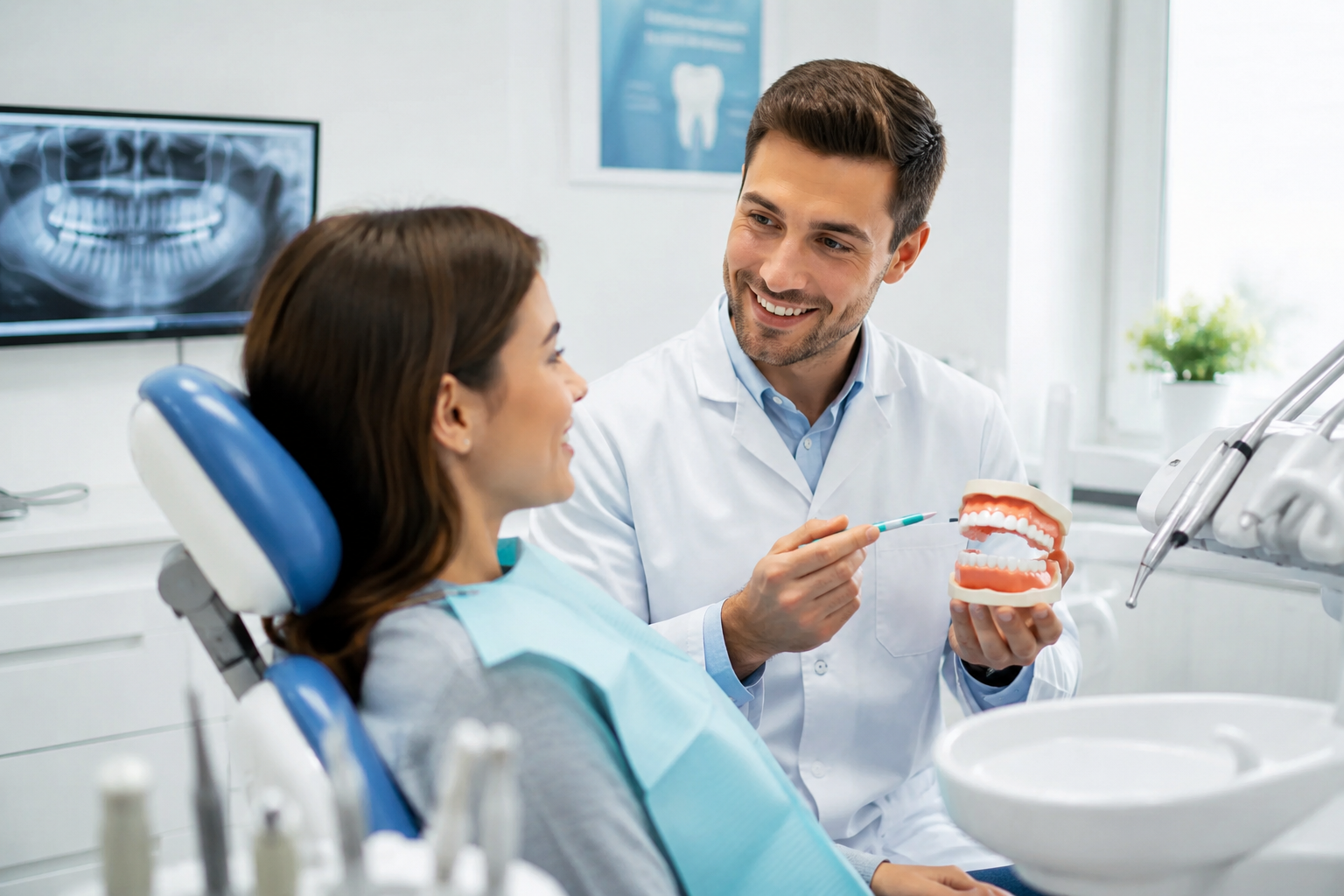
Dental staff in Kalispell explain exam findings using photos, X-rays, and simple diagrams so patients see exactly what the problem is. They outline specific causes — for example, enamel wear from nighttime grinding or gum recession from aggressive brushing — and link each finding to concrete steps the patient can take at home.
Education sessions cover tailored prevention: which toothpaste and brush type fit a patient’s sensitivity, when to use fluoride rinses, and how often to schedule cleanings based on individual risk. Staff also review how existing restorations (crowns, fillings) should be monitored and when replacement is recommended.
They set measurable goals, such as reducing bleeding on probing by a target visit or cutting sugar-related snacking to two times per day. Written takeaways and follow-up reminders help patients track progress between visits.
Open Communication With Your Dentist
Dentists invite questions and confirm understanding by repeating back patient concerns in plain language. They explain treatment options side-by-side — for instance, comparing a tooth-colored filling versus an onlay — and list pros, cons, costs, and expected timelines.
Appointment planning emphasizes patient control: offering sedation options, breaking treatments into shorter visits, or coordinating with medical providers when needed. Staff document preferences like anxiety triggers, preferred phone contact, or wheelchair access to improve each future visit.
Billing and insurance discussions occur before treatment starts, with clear estimates and available financing. This transparency reduces surprises and helps patients make informed decisions aligned with their budget and oral-health goals.
Supporting Whole-Body Wellness Through Dental Checkups
Routine dental visits reduce infection risk, catch early signs of chronic disease, and support emotional well-being through improved comfort and appearance. Regular exams, professional cleanings, and timely treatment work together to protect both oral tissues and overall health.
The Oral-Systemic Health Connection
Dental professionals screen for gum disease, oral infections, and signs of systemic conditions like diabetes and cardiovascular risk during exams. Periodontal inflammation releases bacteria and inflammatory markers that can enter the bloodstream; treating gingivitis and periodontitis lowers that inflammatory burden and can help stabilize blood sugar for people with diabetes.
Dentists also inspect soft tissues for lesions that could indicate nutritional deficiencies, autoimmune disease, or oral cancer, and they coordinate care with physicians when needed. For patients with heart valve issues or joint replacements, dental teams apply antibiotic protocols and tailored precautions to prevent endocarditis or prosthetic infections.
Practical actions at visits—professional cleanings every 3–6 months for high-risk patients, smoking cessation counseling, and saliva testing when indicated—make these medical links actionable. These steps reduce systemic risk factors and improve outcomes when medical conditions exist.
Impact on Confidence and Quality of Life
Healthy teeth and gums reduce pain, improve chewing and digestion, and make social interactions easier. Addressing chronic bad breath, repairing decayed or broken teeth, and offering tooth-colored restorations or discreet orthodontic options restore function and appearance with minimal disruption to daily life.
Restorative and cosmetic treatments now prioritize conservative approaches and patient comfort, using local anesthesia, digital impressions, and same-day restorations when appropriate. The psychological benefits include reduced anxiety about smiling, better professional presence, and increased willingness to eat a varied, nutritious diet—each contributing to measurable gains in quality of life.
Patients who maintain regular care report fewer emergency visits and less time off work for dental problems, which translates into lower overall health costs and more predictable life routines.
Choosing the Right Practice in Kalispell MT
They should look for a practice that balances experience with a welcoming atmosphere. A friendly front desk, clear communication, and staff who explain options calmly help reduce anxiety and make visits smoother.
Patients benefit when the office offers modern diagnostic tools like digital x-rays and intraoral cameras. These technologies speed up care and reduce radiation, while also helping patients see their own oral health more clearly.
Check credentials and continuing education to ensure clinicians stay current. Licenses, specialty certifications, and memberships in professional organizations show commitment to quality care.
Location, hours, and insurance acceptance matter for convenience and affordability. Evening or weekend appointments, easy parking, and transparent billing reduce barriers to regular checkups.
Ask about comfort options for nervous patients, such as sedation choices or distraction techniques. Practices that prioritize patient comfort tend to foster long-term preventive care habits.
Use this quick checklist when calling or visiting:
- Staff friendliness and willingness to answer questions
- Availability of modern diagnostic and treatment tools
- Clear fee structure and insurance policies
- Comfort measures for anxious patients
- Office cleanliness and safety protocols
They should schedule an initial consult or tour if unsure. A short visit often reveals whether the practice feels trustworthy and patient-focused, and encourages regular care.
Next Steps Toward a Healthier Smile
They should schedule a dental exam every six months or as recommended by their Kalispell dentist. Regular visits catch small issues early and keep cleanings on track.
They can build a simple daily routine: brush twice with fluoride toothpaste, floss once, and rinse if recommended. Small consistent habits reduce the need for more invasive care later.
Ask about preventive options like dental sealants, fluoride treatments, or a personalized night guard. These measures protect enamel and reduce sensitivity or wear from grinding.
If anxiety arises, discuss comfort options beforehand. Many practices offer sedation choices, gentle pacing, and clear explanations to make visits easier.
Insurance and payment plans matter. Confirm coverage, ask about flexible financing, and compare treatment timelines to match their budget without delaying care.
Key actions to take now:
- Call to book a checkup and cleaning.
- Review current oral care products and replace worn toothbrushes.
- Prepare a list of questions or symptoms to share at the appointment.
They should bring prior dental records when switching providers, if possible. That saves time and helps the dentist plan efficient, appropriate care.
Encourage questions and open conversation at the office. A trusting dialogue leads to better outcomes and a more comfortable experience.
Frequently Asked Questions
Routine dental visits in Kalispell, MT focus on prevention, early problem detection, and personalized care plans. Patients learn simple home-care steps and receive professional cleanings, X-rays when needed, and exams that target issues before they worsen.
How often should I schedule a dental checkup and cleaning if I feel fine?
Most adults should schedule a checkup and cleaning every six months.
Patients with active gum disease, heavy plaque buildup, or certain medical conditions may need visits every three to four months.
What problems can a routine dental exam catch early before they become painful or expensive?
Exams commonly identify cavities when they are small and easy to fill.
Dentists also detect early gum disease, oral infections, failing restorations, and signs of tooth wear or cracks that can be treated conservatively.
What should I expect during a standard dental checkup, and does anything hurt?
A typical visit includes a cleaning, an oral exam, and X-rays if indicated.
Most patients feel pressure and mild scraping during cleaning; discomfort is rare and short-lived.
If any treatment is needed, the dentist explains options and pain-control measures before starting.
How do routine checkups help prevent cavities and gum disease between visits?
Professional cleanings remove hardened tartar that brushing cannot, lowering bacteria levels.
Dentists apply fluoride or sealants when appropriate and tailor home-care advice to each patient’s needs and risk factors.
What is the 3-3-3 rule in dentistry, and is it something I should follow at home?
The 3-3-3 rule usually refers to brushing for three minutes, three times a day, and replacing a toothbrush every three months.
Following consistent brushing and flossing habits reduces plaque and supports the work done at office visits.
What does the 2-2-2 (or “two-year”) rule mean for dental visits, and is it still recommended?
The 2-2-2 idea often refers to bitewing X-rays every two years for low-risk adults.
Dentists now recommend X-ray frequency based on individual risk, so some patients need them more often while others need them less frequently.