If someone in Kalispell faces a sudden toothache, knocked-out tooth, or swelling, they need fast, local care to prevent complications and relieve pain. An emergency dentist in Kalispell, MT can provide same-day treatment, pain control, and urgent repairs to protect smiles and overall health.
This post guides individuals through recognizing true dental emergencies, what to expect during an urgent visit, simple home steps to stabilize problems, and how modern clinics use advanced techniques to get people comfortable quickly. It also covers choosing a trusted local provider, payment options, and easy prevention tips so future surprises are less likely—helping anyone take confident next steps when minutes matter.
Recognizing a Dental Emergency
Patients in Kalispell should know which symptoms need urgent attention, how injuries differ from infections, and when waiting could make treatment harder. Quick recognition reduces pain, preserves teeth, and speeds recovery.
Common Signs You Need Immediate Dental Care
Severe, unrelenting tooth pain that prevents sleeping or swallowing often signals infection or nerve injury and requires same-day care. Swelling of the face, jaw, or neck — especially if breathing or swallowing becomes difficult — can indicate a spreading infection that needs emergency intervention.
A knocked-out tooth (avulsed) is time-sensitive; the tooth has the best chance for re-implantation if treated within one hour. Heavy, uncontrolled oral bleeding after trauma or an extraction that soaks through gauze repeatedly also warrants immediate evaluation.
Other red flags include a tooth that becomes loose after an injury, sudden, severe pain with fever, and a painful, pus-filled bump (abscess) on the gums. If in doubt, calling an emergency dentist in Kalispell for triage is the safest step.
Types of Urgent Dental Issues
Dental emergencies generally fall into three categories: trauma, infection, and acute dental pain. Trauma covers knocked-out teeth, fractured crowns, and soft-tissue injuries from falls, sports, or accidents. Quick, appropriate first aid can preserve structures and reduce complications.
Infections include abscesses and cellulitis. These present as localized pain, swelling, warmth, and sometimes fever. Infections can spread rapidly; antibiotics and drainage or root canal therapy are common urgent treatments.
Acute dental pain often stems from exposed nerve tissue due to decay, cracked teeth, or failed restorations. Pain control, temporary protective restorations, and expedited definitive treatment (filling, crown, or root canal) relieve symptoms and prevent worsening.
When to Seek Help Right Away
Seek immediate care if there is any heavy bleeding that doesn’t stop after 20–30 minutes of firm pressure, difficulty breathing or swallowing, or signs of spreading facial swelling. These signs suggest a potentially life-threatening complication requiring prompt dental and possibly medical intervention.
Call an emergency dental clinic in Kalispell for a knocked-out permanent tooth and keep the tooth moist (save in milk or saliva) while en route. For severe pain with fever or a visible pus pocket, arrange same-day treatment to control infection and avoid hospital transfer.
For less severe but urgent problems — intense toothache without fever, a broken filling exposing nerve, or a loose tooth after trauma — contact the dentist that day for an expedited appointment and instructions on immediate self-care.
What to Expect During an Emergency Dental Visit
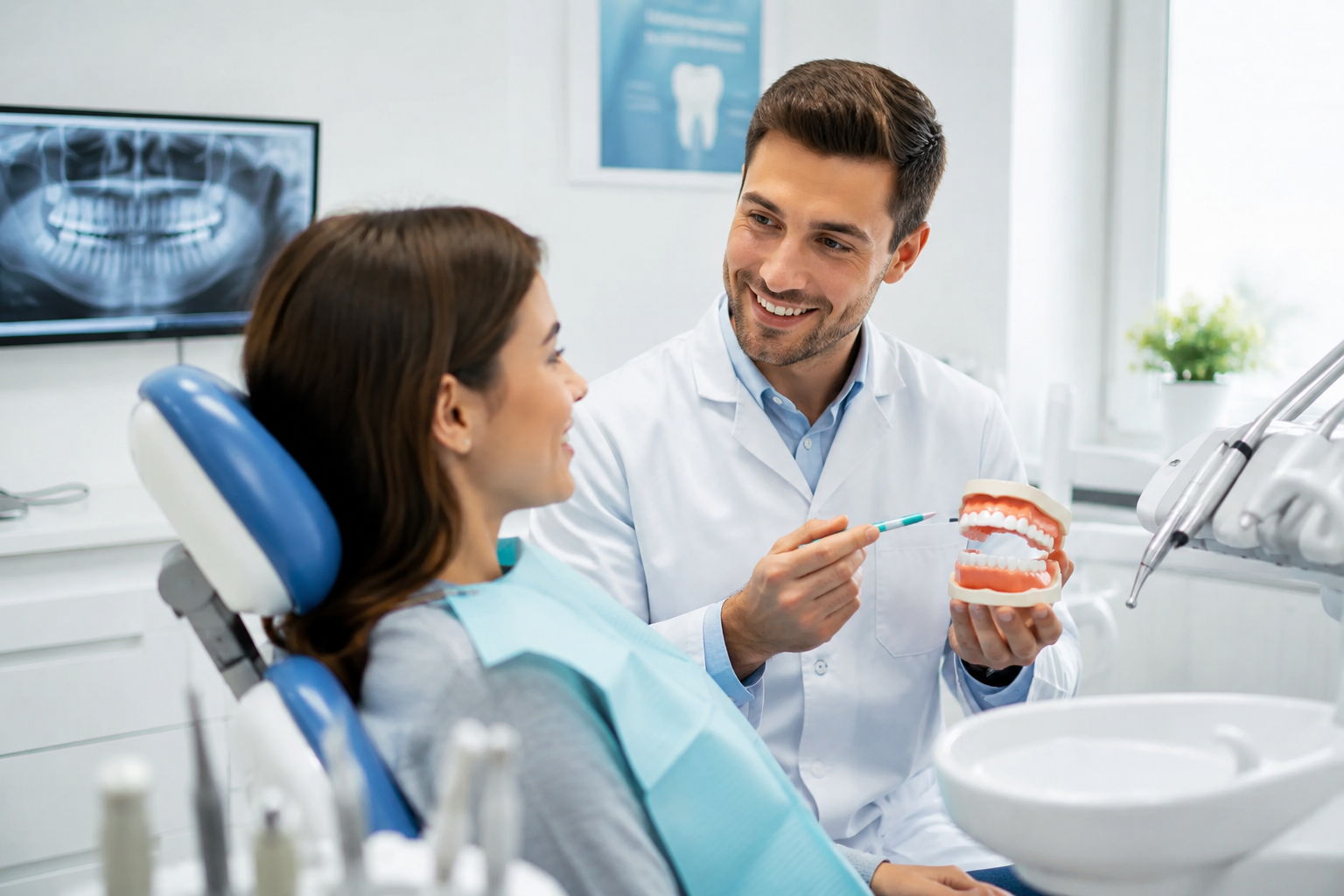
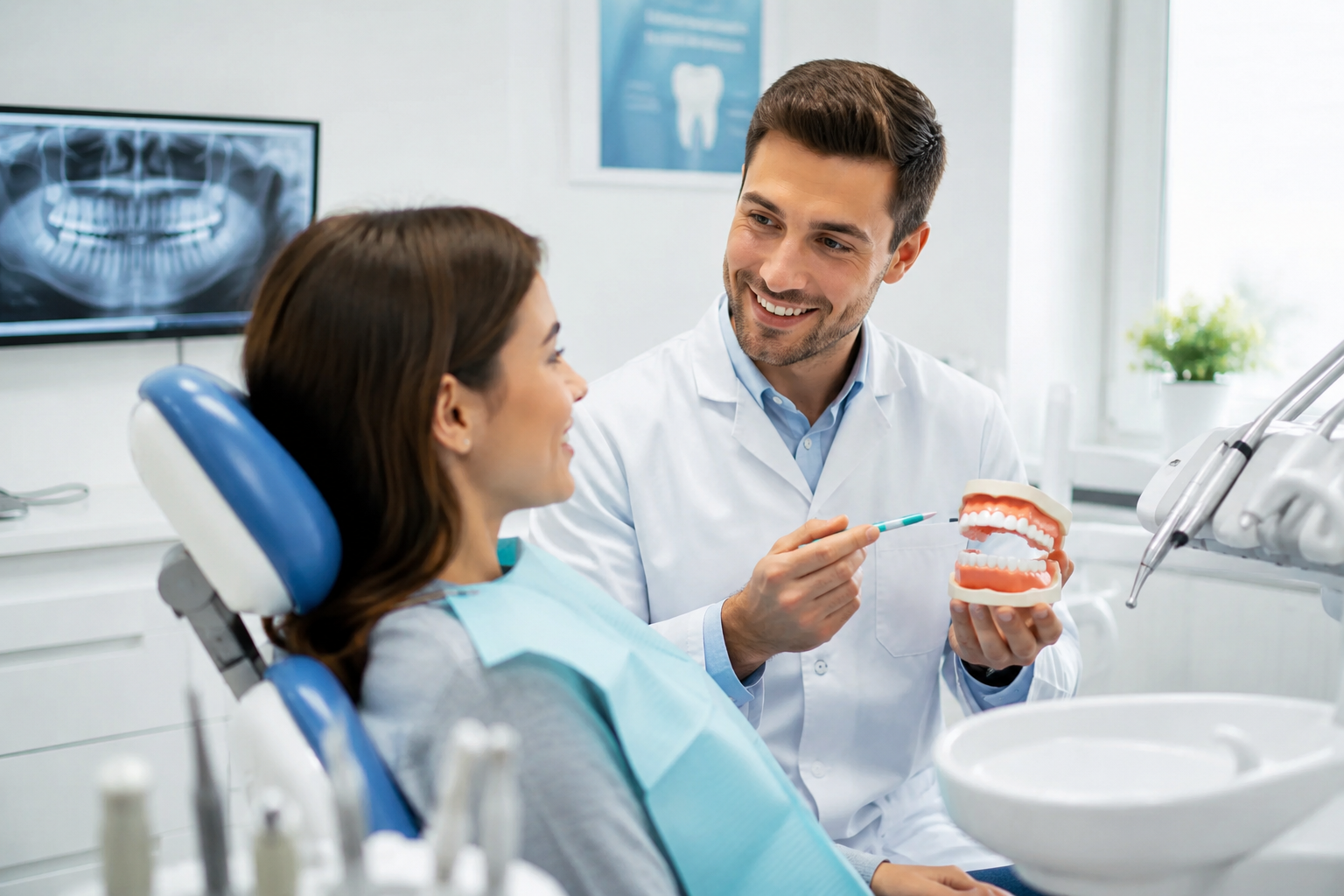
Patients receive a rapid, focused evaluation, immediate pain relief options, and one or more same-day treatments to stabilize the problem. Staff prioritize comfort, explain each step, and provide clear next steps for follow-up care.
Initial Assessment and Patient Comfort
When the patient arrives, the receptionist confirms personal and insurance details and notes the chief complaint. A dental assistant records vital signs if needed and asks about medications, allergies, and recent medical history.
The dentist performs a targeted exam within minutes, inspecting the mouth, taking focused X-rays, and testing tooth mobility or soft-tissue injury. They describe findings in plain language and outline likely causes, such as a cracked tooth, abscess, or displaced restoration.
Staff offer comfort measures: pillows, warm blankets, and headphones if desired. The team reviews pain level on a 0–10 scale and explains infection risk and possible complications so the patient understands urgency and next steps.
Pain Management and Quick Relief
The dentist prioritizes immediate pain control using local anesthetic injections to numb the affected area for most procedures. For severe pain, they may prescribe short-course oral analgesics (e.g., ibuprofen plus acetaminophen) and, rarely, a short opioid only when other options fail.
If infection causes swelling, the clinician may start antibiotics the same day, choosing an agent appropriate for oral flora and the patient’s medical history. Cold compresses, saltwater rinses, and chewable analgesics are recommended for short-term self-care.
For dental trauma, splints and temporary crowns reduce movement and pain. Staff explain expected duration of numbness, side effects of medications, and emergency signs that require immediate return, such as increasing swelling or fever.
Immediate Treatment Options
Treatment aims to stabilize function and control infection or bleeding. Common same-day procedures include tooth extraction, temporary or permanent fillings, pulpectomy (emergency root canal), and suture placement for lacerations.
If a crown or filling is lost, the dentist may place a temporary restoration to protect the tooth and prevent further damage. For a fractured tooth with exposed nerve, they perform pulpal coverage or an emergency root canal to eliminate intense pain.
When definitive treatment requires specialists or multiple visits, the dentist provides interim care and schedules follow-up appointments. The team gives written aftercare instructions, prescriptions, and a clear timeline for final restorative work to restore comfort and function.
Call or message the clinic for questions, prescription refills, or to schedule the recommended follow-up visit.
Preparedness: How to Handle Dental Emergencies at Home
Keep calm, assess the situation, and take immediate steps that protect the tooth, control bleeding, and reduce pain until professional care is available. Simple supplies and a clear plan can make the difference between saving a tooth and needing more extensive treatment.
Essential Steps Before Visiting a Dentist
Stop bleeding and protect the mouth.
- Apply firm pressure with sterile gauze or a clean cloth to any bleeding area for 10–15 minutes.
- If bleeding persists after 20 minutes, seek emergency care immediately.
Preserve an avulsed (knocked-out) tooth properly.
- Handle the tooth by the crown only; avoid touching the root.
- Rinse gently with saline or milk if dirty; do not scrub or use soap.
- Reinsert the tooth into the socket if possible and have the patient bite a folded cloth to hold it. If reinsertion isn’t possible, keep the tooth moist in milk or Hank’s Balanced Salt Solution and bring it to the dentist within 30–60 minutes.
Protect fractured teeth and reduce contamination.
- Save any tooth fragments in milk or saline and bring them to the office.
- Cover sharp edges with dental wax, sugarless gum, or paraffin to prevent lip or cheek cuts.
Check for signs of jaw or facial fracture.
- Look for misalignment, numbness, difficulty opening the mouth, or heavy bleeding; stabilize the head and seek emergency services if suspected.
Temporary Measures to Ease Discomfort
Pain control and swelling reduction.
- Use over-the-counter ibuprofen (unless contraindicated) at recommended dosages to reduce pain and inflammation.
- Apply a cold pack externally for 10–15 minutes cycles to the cheek to reduce swelling.
Manage toothache and sensitivity at home.
- Rinse gently with warm salt water (1/2 teaspoon salt in 8 oz water) to clean and soothe the area.
- Apply a topical oral analgesic containing benzocaine sparingly to the affected tooth or gum following product instructions; avoid use on young children.
Address loose restorations and crowns temporarily.
- Re-cement a dislodged crown only with temporary dental cement from a pharmacy or a small dab of fluoride-free denture adhesive.
- Do not use household glues or superglue. Bring the restoration and any fragments to the appointment.
Food and activity guidance until care is available.
- Eat soft, cool foods and avoid chewing on the injured side.
- Avoid hot beverages, alcohol, and tobacco, which can worsen pain or bleeding.
If any signs of infection develop—fever, increasing swelling, red streaks, or severe pain—contact an emergency dental provider immediately for evaluation and likely antibiotic or urgent treatment.
Advanced Technology and Modern Techniques
Clinics in Kalispell use digital imaging and same-day restorative tools to speed diagnosis and treatment while reducing discomfort. They combine precise diagnostics with minimally invasive procedures to preserve teeth and shorten recovery.
Diagnostic Tools for Emergency Care
Digital X-rays and cone-beam computed tomography (CBCT) give high-resolution images of fractures, root anatomy, and impacted teeth with lower radiation than older film systems. These images let the dentist see the exact location and extent of trauma, which guides whether extraction, root canal, or splinting is best.
Intraoral cameras provide real-time, close-up views the patient can see, improving communication about the problem. Electronic pulp testing and laser Doppler flowmetry help assess nerve vitality quickly, useful when symptoms are ambiguous after injury.
Point-of-care labs and chairside blood tests can evaluate infection markers or clotting status before invasive procedures. Combined, these tools reduce guesswork, allow faster decisions, and often enable treatment in a single visit.
Innovative Treatment Approaches
Temporary dental splints use fiber-reinforced materials to stabilize avulsed or luxated teeth with minimal bulk, permitting oral hygiene and comfort. For complicated fractures, same-day CAD/CAM restorations recreate tooth form and function using milled ceramic crowns or onlays, avoiding multiple appointments.
Bioceramic root canal materials and rotary endodontic systems improve sealing and shorten procedure time, increasing success after traumatic pulp exposure. Platelet-rich fibrin (PRF) and other autologous biologic adjuncts support soft-tissue healing and reduce infection risk in socket preservation or grafting.
Laser-assisted decontamination and photobiomodulation reduce bacterial load and speed soft-tissue recovery after surgery. Sedation options—oral, nitrous oxide, or IV—help anxious patients tolerate urgent procedures safely and comfortably.
Preventing Future Dental Emergencies
Consistent daily care and the right protective equipment reduce the chance of sudden tooth pain, broken teeth, and lost restorations. Small routine changes and a few specific products can make a big difference in long-term dental health.
Daily Habits for Stronger Teeth
They should brush twice daily with a fluoride toothpaste for two minutes each session, using a soft-bristled brush and gentle circular motions. Fluoride strengthens enamel and lowers cavity risk; if they are prone to sensitivity, a desensitizing toothpaste helps reduce pain while still providing fluoride protection.
Flossing once a day removes plaque between teeth where brushes can’t reach. For people with braces, bridges, or wide gaps, interdental brushes or floss threaders offer better cleaning than standard floss.
Limit acidic foods and drinks to mealtimes and rinse with water after consumption to reduce enamel erosion. Drinking plain water throughout the day helps rinse sugars and acids and supports saliva production, which naturally protects teeth.
They should schedule dental checkups every six months, or more often if a dentist recommends it, for early treatment of small problems like hairline cracks or tiny cavities before they become emergencies. Discussing nighttime grinding (bruxism) with the dentist may result in a custom night guard that prevents chips and fractures.
Protective Gear for Active Lifestyles
Athletes and people who engage in contact sports should wear a custom-fitted mouthguard; it absorbs impact and significantly lowers the risk of tooth fractures and soft-tissue injuries. Over-the-counter boil-and-bite guards offer some protection, but a dentist-made guard provides the best fit, comfort, and durability.
For bicyclists, skateboarders, and winter-sport participants, a helmet with a properly fastened chin strap reduces the chance of facial trauma that can dislodge or crack teeth. They should inspect gear regularly for damage and replace it when fit or condition deteriorates.
Night guards help those who grind teeth while sleeping; custom appliances distribute bite forces and protect restorations. For people with previous large fillings or root canals, wearing a guard prevents excess stress that can cause sudden failure and emergency visits.
If a person uses a retainer or removable appliance, they must store it in a ventilated case when not in use and clean it daily to avoid breaks that could lead to swallowed or aspirated pieces. For high-risk activities, remove removable appliances and use a mouthguard instead.
Choosing the Right Local Dental Provider
Patients should look for prompt availability, clear pricing, modern equipment, and staff who prioritize comfort. Practical factors like evening hours, same-day appointments, and direct insurance billing matter as much as clinical skills.
Benefits of Expert, Compassionate Care
A dentist who combines technical skill with empathy reduces anxiety and improves outcomes. They provide clear explanations of procedures such as root canal therapy, extractions, and emergency restorations, so patients understand timelines, risks, and expected pain management.
Compassionate teams offer comfort measures—nitrous oxide, local anesthetic techniques, and stepwise sedation options—plus sensitive communication for nervous patients. This attention shortens visits and aids recovery because patients follow aftercare instructions more reliably.
Look for providers with board certifications, continuing education in emergency dentistry, and positive patient reviews mentioning punctuality and pain control. Transparent pricing and written treatment plans help families make informed decisions during stressful situations.
What Sets Kalispell Practices Apart
Kalispell clinics often combine small-town accessibility with advanced dental technology. Many offices on Main Street and in the North Fork area stock same-day crown mills, digital X-rays, and intraoral cameras to speed diagnosis and reduce repeat visits.
Local practices tend to partner with regional hospitals for complex trauma cases, ensuring fast referrals for oral surgery or facial trauma. They also understand seasonal demand spikes from outdoor activities and keep extended hours in summer and during ski season.
Community-focused teams offer bilingual staff, sliding-fee options for uninsured residents, and coordination with local urgent care centers. Those practical supports make emergency dental care in Kalispell both professional and approachable.
Insurance and Payment Options for Urgent Dental Care
Many Kalispell emergency dental offices accept major dental insurance plans and PPO networks. Patients should call ahead to confirm coverage for emergency visits and verify whether the dentist is in-network to reduce out-of-pocket costs.
Some clinics offer flexible payment methods such as credit cards, care credit, or short-term financing. These options help patients manage costs for urgent procedures like extractions or root canals when immediate treatment is needed.
A few practices provide a sliding scale or discounted fees for uninsured or low-income patients. Asking about eligible discounts or bundled emergency visit fees can lower the financial barrier to timely care.
Common payment checklist:
- Photo ID and insurance card (if available)
- Estimated co-pay or deductible amount
- Methods accepted: cash, major credit cards, CareCredit, in-office payment plans
If treatment is required after-hours, additional fees may apply; patients should request an estimate before procedures start. Staff can often explain how charges break down and what portion the insurer will likely cover.
They are encouraged to bring any insurance documentation and ask about pre-authorization for costly treatments. Calling the office before arrival makes the billing process smoother and reduces stress during an emergency.
Encouragement for Taking Action
When a dental emergency happens, prompt action improves outcomes. They should call an emergency dentist in Kalispell, MT, as soon as possible to reduce pain and prevent complications.
Many clinics offer same-day or next-day appointments and prioritize urgent cases. Patients can ask about after-hours options and walk-in availability to find the fastest care.
Waiting can turn a simple fix into a more complex procedure. Early treatment often preserves natural teeth and shortens recovery time.
Patients should gather basic information before calling: a brief description of symptoms, the time the problem started, and any medical conditions or medications. This helps the dental team prepare and give clear first-aid guidance over the phone.
It is okay to be nervous about emergency treatment; clinics focus on patient comfort and use modern, gentle techniques. They can explain options, pain control, and what to expect during the visit.
For immediate steps, rinsing with warm salt water, applying a cold pack to reduce swelling, and saving any broken tooth fragments in milk or saline can help. These simple actions support better outcomes before professional care.
If pain is severe, bleeding is heavy, or there are signs of infection, they should seek care without delay. Contacting a trusted local emergency dentist provides expert guidance and the next steps toward relief and recovery.
Frequently Asked Questions
These answers clarify which dental problems need immediate care, basic at-home steps to control pain or swelling, what emergency rooms can and cannot do, same-day treatment possibilities, and common payment options including Medicaid.
What counts as a true dental emergency versus something that can wait until a regular appointment?
A true emergency includes uncontrolled bleeding, severe facial swelling that affects breathing or swallowing, a knocked-out (avulsed) tooth, or intense pain that cannot be managed with over-the-counter medication.
Broken teeth that expose the nerve, deep infections with fever, and trauma causing jaw misalignment also require immediate attention.
Minor chips, small loose fillings, mild tooth sensitivity, or cosmetic concerns generally can wait for a scheduled appointment.
If pain is mild and controlled with ibuprofen or acetaminophen, a next-day urgent visit is usually appropriate.
If I can’t reach a dentist right away, what should I do at home to manage tooth pain or swelling safely?
Rinse gently with warm salt water to reduce bacteria and soothe tissues.
Apply a cold pack against the cheek in 10–15 minute intervals to reduce swelling and numb pain.
Take recommended doses of ibuprofen or acetaminophen unless contraindicated; avoid aspirin for bleeding concerns.
Keep the head elevated while lying down and avoid chewing on the affected side. If a tooth is knocked out, place it back gently if possible or store it in milk or saline and seek immediate care.
Can an emergency room help with a severe toothache, broken tooth, or dental infection?
Emergency rooms can provide pain control, antibiotics, and stabilization for infections that threaten airway or spread rapidly.
They do not typically perform definitive dental procedures like root canals, complex extractions, or replantation of avulsed teeth.
If the ER cannot resolve the dental source, they will refer to an on-call dentist, oral surgeon, or recommend urgent dental clinics that offer same-day treatment.
Will an urgent dental visit include options to relieve pain quickly and keep you comfortable?
Yes. Dentists commonly offer local anesthesia, short-term pain medications, and sedative options such as nitrous oxide for anxious patients.
Placement of temporary fillings, drainage of abscesses, or prescription antibiotics can stabilize the problem and reduce pain until definitive care.
Dentists will explain immediate measures and outline follow-up treatments like root canal therapy, crowns, or permanent restorations.
In an emergency visit, is it possible to have a tooth pulled the same day if it can’t be saved?
Yes, dentists and oral surgeons often perform same-day extractions when a tooth is non-restorable or poses an immediate infection risk.
They assess medical history, take necessary X-rays, and discuss anesthesia choices before proceeding.
When extraction isn’t appropriate immediately, they provide pain control and plan timely definitive treatment.
What payment and insurance options are commonly available for urgent dental care, including Medicaid?
Many urgent dental clinics accept major private insurances, offer sliding-scale fees, or provide in-office payment plans for uninsured patients.
Medicaid coverage for emergency dental care varies by state; in Montana, Medicaid covers many urgent dental services for eligible adults and children but limits can apply.
Patients should call ahead to verify accepted plans and ask about estimates, payment options, and whether the clinic offers financing or reduced-fee services for low-income patients.