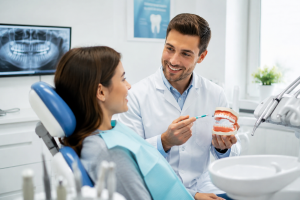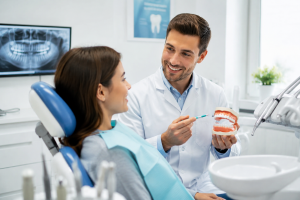
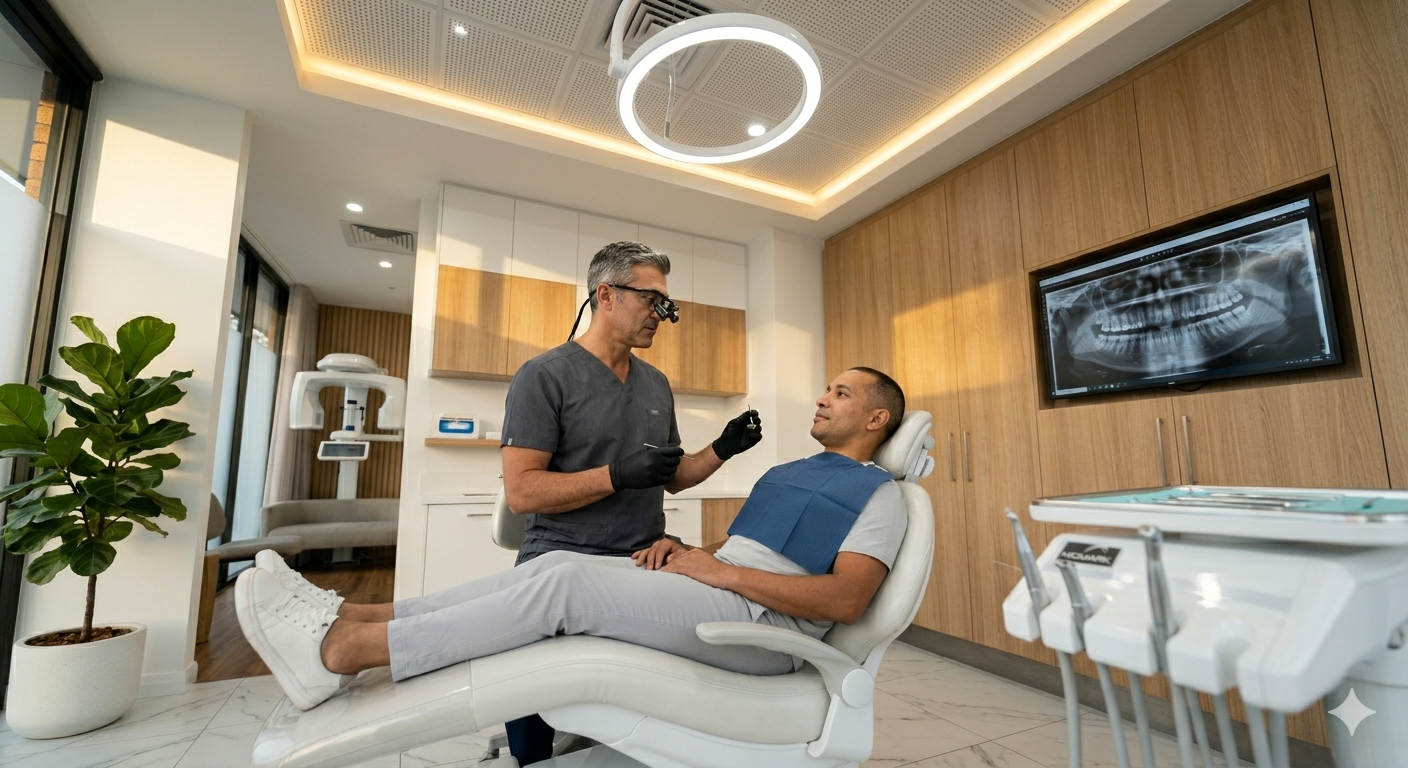
When dental emergencies happen, quick and reliable care can make all the difference. In Kalispell, MT, emergency dental services are designed to provide fast relief and effective treatment for urgent issues like severe pain, broken teeth, or sudden infections. These services ensure patients get prompt attention to reduce discomfort and prevent complications.
Local dental clinics understand that emergencies don’t follow a schedule, so many offer flexible hours and expert care when it’s needed most. Their goal is to make patients feel comfortable and supported throughout the entire emergency process, using modern techniques to address problems efficiently.
Knowing where to turn and what to expect during a dental emergency can ease stress and improve outcomes. Reaching out to a trusted emergency dental provider in Kalispell is the best step toward protecting oral health when unexpected problems arise.
What Qualifies as a Dental Emergency?
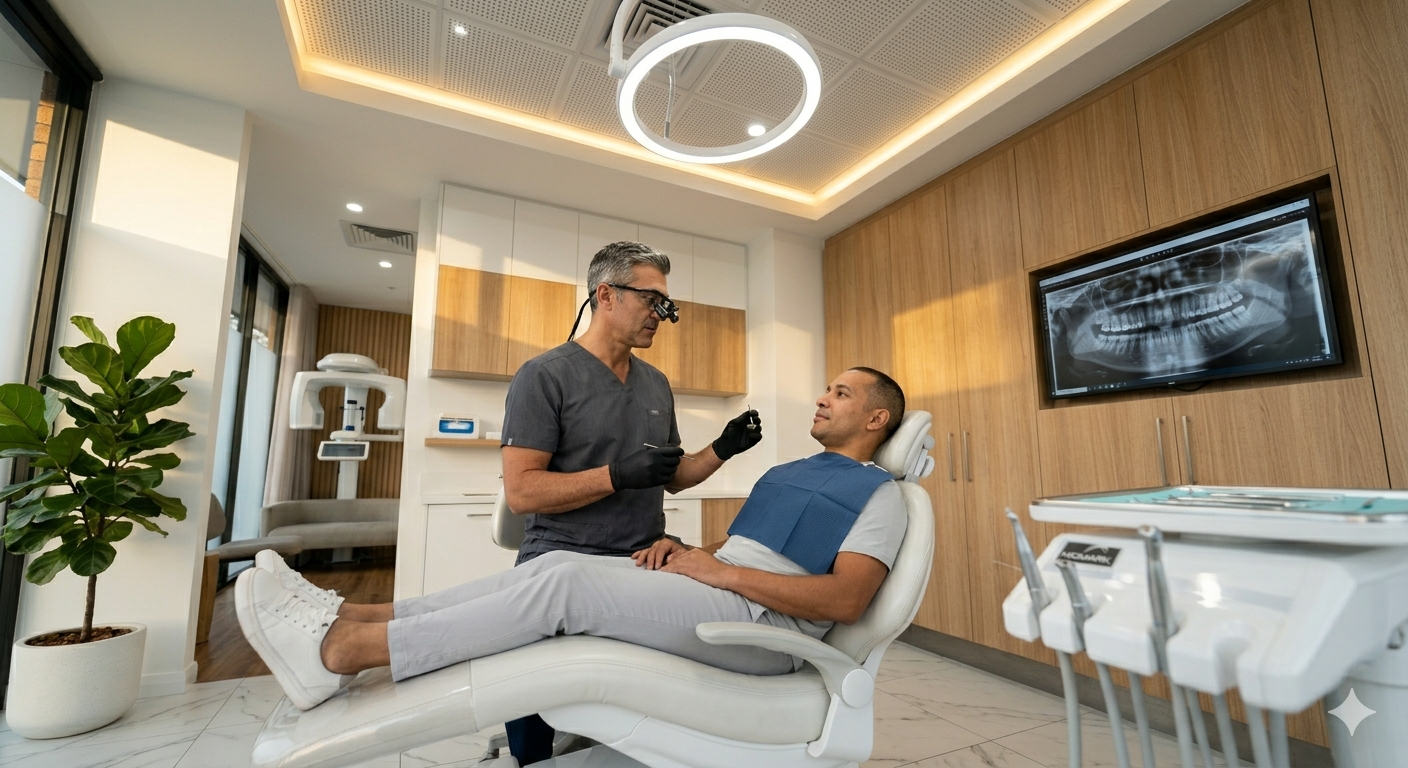
Dental emergencies involve sudden issues that require prompt attention to relieve pain, prevent infection, or save a tooth. Understanding these situations helps patients act quickly and avoid complications.
Common Dental Emergencies
Common emergencies include severe toothaches, knocked-out teeth, broken or chipped teeth, and lost fillings or crowns. A toothache that won’t go away and is accompanied by swelling or fever suggests an infection needing immediate care.
A knocked-out tooth requires urgent treatment within hours to improve the chances of saving it. Broken teeth that expose nerves or cause pain also demand prompt attention. Lost restorations leave teeth vulnerable to damage and sensitivity.
Recognizing Signs of Urgency
Signs of urgency include intense pain, bleeding that doesn’t stop after 15 minutes, swelling around the face or neck, and difficulty breathing or swallowing. These symptoms indicate more serious problems like infections or trauma.
If the pain intensifies or comes with a fever, this usually means an infection is worsening. Persistent bleeding after an injury can signal tissue damage needing emergency intervention. Swelling can block airways or spread infection, so it should never be ignored.
When to Seek Immediate Care
Immediate care is crucial for injuries like knocked-out teeth, severe trauma to the jaws, uncontrolled bleeding, and infections causing fever or swelling. Ignoring these can lead to permanent damage or systemic health issues.
Patients should seek emergency dental treatment within hours for knocked-out teeth and within a day for deep cuts or fractures. If breathing or swallowing is affected, going to the emergency room is essential. Prompt care reduces pain and improves recovery chances.
Types of Emergency Treatments in Kalispell
Emergency dental care in Kalispell covers a range of urgent issues, from sudden pain to critical injuries. Many treatments focus on stopping pain quickly and preventing further damage to teeth or gums.
Managing Toothaches and Dental Pain
Toothaches often signal underlying problems like infection, decay, or damaged nerves. Emergency dentists in Kalispell start by identifying the cause with exams and X-rays. They may prescribe pain relief, perform root canals, or extract a severely damaged tooth.
Over-the-counter painkillers can offer temporary comfort, but professional treatment is key to resolving the issue. Infections causing swelling require prompt antibiotics. Patients are advised to avoid extreme temperatures and chewing on the affected side until treatment.
Treating Broken or Chipped Teeth
Broken or chipped teeth are common emergencies after accidents or biting hard objects. The goal is to restore tooth structure and prevent sensitivity or decay. Dentists clean the area and may use bonding materials, crowns, or veneers for repair.
If the break exposes the nerve, a root canal might be necessary to avoid infection. Treatment speed matters; immediate care lowers the chance of complications. Pain management and protecting the tooth during the repair process are priorities.
Handling Knocked-Out Teeth
A knocked-out or avulsed tooth needs immediate attention to improve chances of successful replantation. Tooth preservation starts by holding it by the crown and rinsing off dirt—avoid scrubbing. The tooth should be kept moist using milk, saline, or the patient’s saliva.
Emergency dentists receive the tooth and attempt to reinsert it within an hour. After replantation, a splint stabilizes the tooth while healing occurs. Follow-up care includes antibiotics, soft diet, and monitoring for root or gum damage. Timing is critical for saving the tooth.
What to Expect During Your Emergency Visit
When a dental emergency strikes, knowing what happens next can ease anxiety. The visit focuses on quick relief and careful planning to fix the problem safely and effectively.
Immediate Assessment and Comfort
Upon arrival, the dental team prioritizes a rapid evaluation of pain, injury, or infection. They ask about symptoms, how long the issue has lasted, and any relevant medical history. This helps identify whether urgent treatment is needed right away.
Next, they focus on easing discomfort. This can involve applying a cold pack, using a topical anesthetic, or administering pain medication. The goal is to reduce pain and swelling promptly.
X-rays or other diagnostic tools may be used to see the extent of the damage clearly. This step is crucial for accurate treatment without unnecessary delay.
Personalized Treatment Plans
After assessment, the dentist discusses treatment options tailored to the patient’s specific condition. For example, a knocked-out tooth might require immediate reimplantation, while a cracked tooth could need a crown or root canal.
The plan considers both urgent needs and long-term dental health. If immediate restoration isn’t possible, temporary solutions like splints or medications might be suggested.
Dentists explain each step clearly, including benefits, risks, and estimated timelines. This helps patients feel informed and comfortable before treatment begins.
Patients are encouraged to ask questions and share preferences, which helps create a partnership in care. Follow-up appointments and home care instructions are also outlined to support full recovery.
How to Respond Before You Reach the Dentist
Knowing the right steps after a dental emergency can reduce pain and improve the chances of saving your teeth. Quick, calm action and simple at-home care can make a big difference before professional treatment.
At-Home First Aid Tips
If someone experiences a dental injury, the first step is to control bleeding. Use a clean cloth or gauze to apply gentle pressure to the affected area. Avoid rinsing the mouth vigorously, which could worsen bleeding.
For toothaches, rinsing the mouth with warm salt water can reduce inflammation. Applying a cold compress to the outside of the cheek helps numb the area and decrease swelling. Over-the-counter pain medicine can also be used, but never place aspirin directly on the gums as this may cause burns.
Avoid eating hard or sticky foods, and try to keep the affected area as still as possible until professional care is available.
Preserving Damaged Teeth or Restorations
If a tooth is knocked out, handle it by the crown (top part), not the root. Rinse it gently with water but do not scrub. Place the tooth back in the socket if possible, or store it in milk, saline solution, or your saliva to keep it moist.
For broken fillings or crowns, save any pieces and bring them to the dentist. Cover the exposed area with dental cement or sugarless gum to protect the tooth from sensitivity and infection until treatment.
Keeping the damaged parts moist and protected can increase the chance of successful restoration.
Preventing Dental Emergencies
Taking steps to protect teeth and maintaining regular dental visits are key to reducing the risk of urgent dental problems. Simple habits and consistent care can help avoid painful or costly treatments later on.
Protective Measures for Teeth
Wearing a mouthguard during sports or physical activities is one of the most effective ways to prevent tooth fractures and injuries. For those who grind their teeth at night, a custom nightguard can protect enamel from excessive wear.
Avoid biting hard objects like ice, popcorn kernels, or pens, which can cause chips or cracks. Maintaining a balanced diet low in sugary snacks also supports strong teeth by limiting decay risks. Drinking plenty of water helps wash away food particles and acids that damage teeth.
Teaching children safe habits, such as not chewing on non-food items, is equally important. Protective measures are simple but make a significant difference in keeping teeth intact and healthy.
Routine Checkups and Their Role
Regular dental checkups allow early detection of problems before they become emergencies. A dentist in Kalispell, MT, will examine teeth for signs of decay, cracks, or infections that could turn urgent if untreated.
During visits, professional cleanings remove plaque buildup that toothbrushes might miss. This lowers the risk of cavities and gum disease, common causes of dental emergencies. Dentists can also offer personalized advice tailored to each patient’s risk factors.
Scheduling dental exams every six months, or as recommended, ensures ongoing monitoring and timely treatments. This consistent care boosts confidence that the mouth stays healthy and reduces unexpected visits to emergency services.
Finding the Right Dental Team in Kalispell
Selecting a dental team for emergencies means focusing on expertise, quick response, and patient comfort. It’s important to find a provider who understands urgent dental needs and offers modern solutions. Local practices often bring unique qualities that improve the experience and care quality.
Choosing an Experienced Emergency Dentist
Experience matters when facing dental emergencies. An emergency dentist in Kalispell should have specific training in urgent care, like handling broken teeth, severe pain, or sudden infections. Look for dentists who have been practicing emergency dentistry for several years and who stay updated on the latest treatment techniques.
Professional certifications and positive patient reviews also signal reliability. For example, some dentists specialize in painless extraction methods or use sedation options to ease anxiety. Staffing that is ready for after-hours calls can make a big difference during late-night emergencies.
What Sets Local Practices Apart
Local dental offices in Kalispell often focus on personalized care. Their smaller community presence allows for faster appointment scheduling and a more familiar, comforting environment. Many provide walk-in availability or same-day emergency slots, reducing wait times.
These practices also tend to have close ties with local hospitals and specialists. That means if a situation requires more advanced care, the transition is smoother. Plus, local dentists understand the common dental issues in the area and tailor prevention advice accordingly. Many invest in the latest equipment to offer high-quality care without needing to travel far.
Contact and Appointment Information
Patients in Kalispell, MT, seeking emergency dental care can easily reach their local dental clinic by phone or online. Most offices offer a dedicated emergency line to quickly connect patients with available staff. This helps ensure urgent issues are addressed promptly, even outside normal business hours.
Appointments for emergency dental services are typically available the same day or within 24 hours. It’s advised to call as soon as a problem arises to secure a timely slot. Clinics often provide walk-in options, but calling ahead helps reduce wait times and prepares the dental team for specific needs.
Contact details to note:
- Phone: (406) 555-1234
- Email: emergency@kalispelldentist.com
- Office Hours: Monday–Friday, 8 AM–6 PM; Saturday, 9 AM–1 PM
When calling, patients should be ready to describe symptoms clearly. This allows staff to prioritize cases accurately. If pain, bleeding, or swelling is severe, they may advise visiting the office immediately or going to an urgent care facility.
Most dental offices encourage new and returning patients to keep their contact and medical information up-to-date. This saves time during emergencies. Patients can also ask about payment options and insurance coverage when scheduling to avoid surprises later.
Frequently Asked Questions
Dental emergencies can happen suddenly and be stressful. Knowing when to act quickly and how to care for your teeth before you get to a dentist can make a big difference in outcomes and comfort.
Is my toothache serious enough to be treated the same day, and what symptoms mean I shouldn’t wait?
If the toothache is severe, persistent, or accompanied by swelling, fever, or difficulty swallowing, it needs same-day attention. Increasing pain when biting or extreme sensitivity to hot and cold can also signal an urgent problem. Mild discomfort without swelling can usually wait a day or two, but it’s best assessed promptly.
What should I do right now if I have a dental emergency but I don’t have a regular dentist?
Contact a local emergency dental clinic or an urgent care center that offers dental services. Many clinics accept walk-ins or same-day appointments. If you’re unsure, call a dental office to get advice or referral to an emergency provider nearby.
If a tooth gets knocked out, what are the best first steps to give it the best chance of being saved?
Rinse the tooth gently with water without scrubbing. Try to place it back into the socket if possible. If not, keep it moist by storing it in milk or a tooth preservation kit, and get to a dentist within an hour.
Can urgent care help with tooth pain or swelling, and when is it better to see a dentist instead?
Urgent care can provide temporary relief from pain and prescribe antibiotics for infections. However, they cannot perform dental procedures like extractions or root canals. It’s best to see a dentist for definitive treatment as soon as possible.
How quickly can I be seen for a broken tooth or lost filling, and what can I do to protect it until my visit?
Most emergency dentists aim to see patients within 24 hours for broken teeth or lost fillings. Keep the area clean, avoid chewing on that side, and use dental wax or sugarless gum to cover sharp edges if needed.
What will an emergency dental visit typically include, and how do you keep patients comfortable during treatment?
The dentist will assess pain, take X-rays, and develop a treatment plan. Local anesthesia or sedation may be used to minimize discomfort. Staff often offer calming support and explanations throughout to help patients feel at ease.