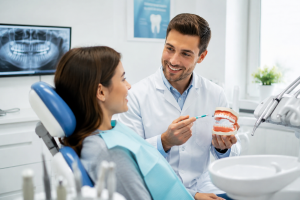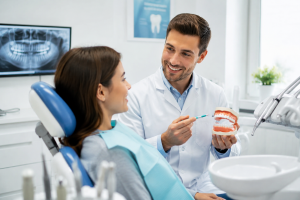
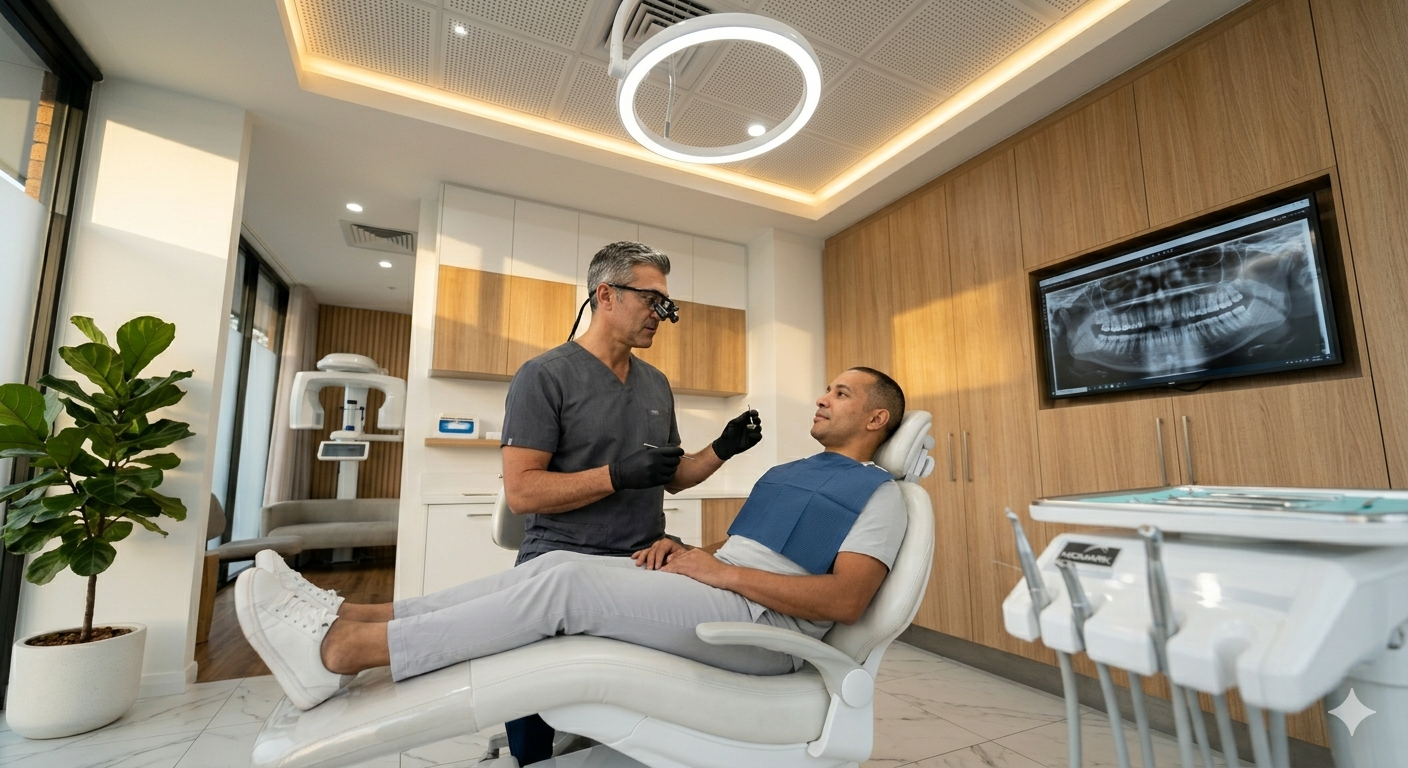
When dental pain or injury strikes unexpectedly in Kalispell, knowing where to turn for emergency dental care can make all the difference. Emergency dental services in Kalispell, MT, provide quick, compassionate treatment designed to relieve pain and prevent further damage. Whether it’s a sudden toothache, a knocked-out tooth, or a broken crown, getting prompt care is key to saving the smile.
These services are equipped to handle urgent dental problems with modern tools and techniques that focus on comfort and effective results. Patients can expect not only relief from discomfort but also clear guidance on next steps, including follow-up care and prevention tips tailored to their needs.
In a town like Kalispell, having trusted emergency dental support nearby offers peace of mind for unexpected dental issues. Reaching out early makes a big difference in outcomes and helps patients feel confident during a stressful situation.
Recognizing Common Dental Emergencies
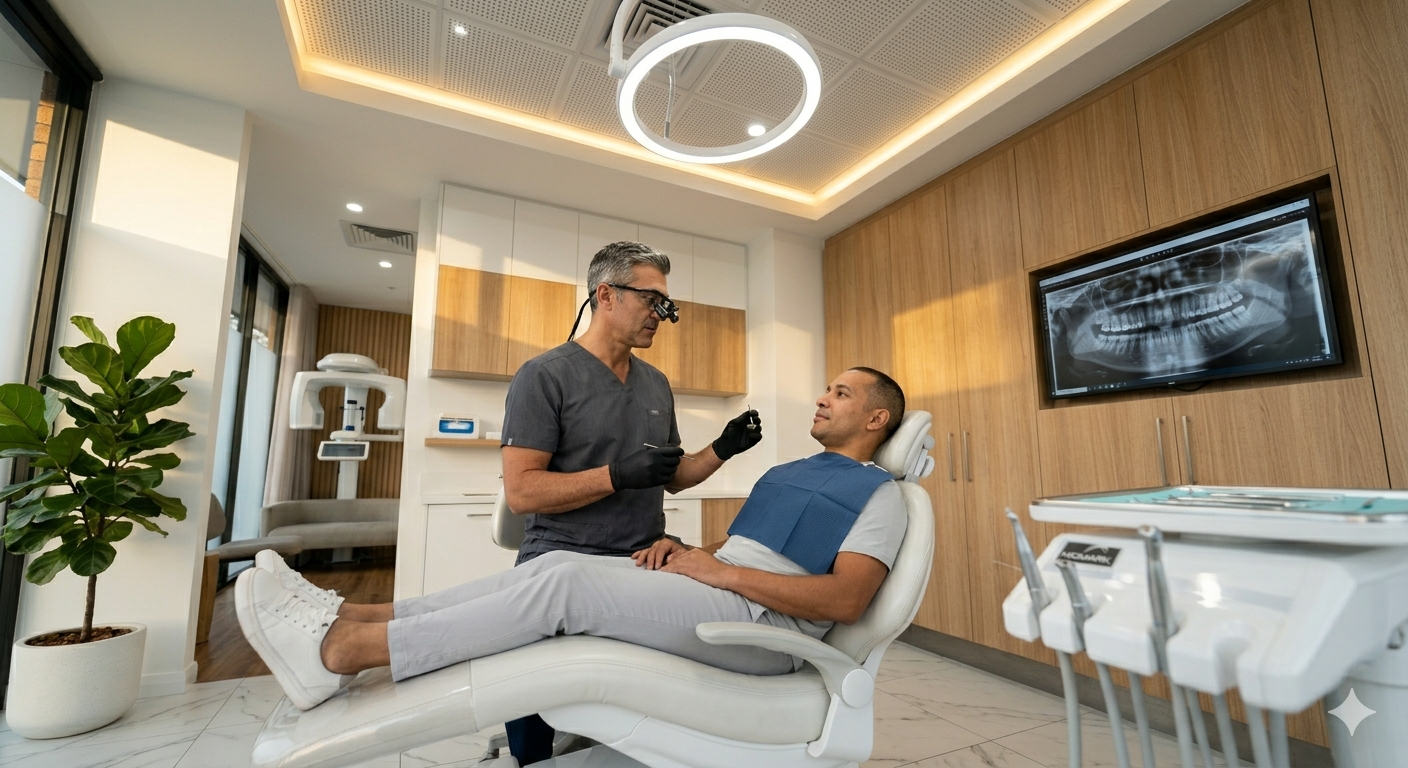
Dental emergencies can be confusing and painful. Knowing how to identify and respond to key issues like severe toothaches, breaks, or lost dental work can make a big difference in preserving a smile and avoiding further damage.
Severe Toothaches and Pain
A severe toothache is often a sign of infection, deep decay, or inflammation in the dental pulp. The pain may come as a sharp, throbbing sensation that worsens over time and could spread to the jaw or ear. It often becomes more intense when lying down or eating hot, cold, or sweet foods.
If left untreated, severe toothaches can lead to abscesses, which cause swelling and pus buildup. Immediate professional care is necessary. Until then, rinsing with warm salt water and taking over-the-counter pain relief can help manage discomfort.
Broken or Chipped Teeth
Chipped or broken teeth range from minor cracks to large fragments breaking off. Chips might not hurt immediately, but sharp edges can cut the tongue or cheek. More substantial breaks may expose sensitive nerves, causing pain and swelling.
Save any pieces of the tooth and avoid chewing on the affected side. Rinsing the mouth gently and applying a cold compress can reduce swelling. Timely dental care is important to repair the tooth and prevent infection or further damage.
Knocked-Out Teeth
A knocked-out tooth is a dental emergency requiring immediate attention. If the tooth is permanent, quick action can increase the chance of saving it. Handle the tooth by the crown, not the root, and rinse it gently if dirty.
If possible, place the tooth back into the socket or keep it moist in milk or saliva while getting to the dentist. Do not scrub or dry the tooth. Quick, calm steps can help preserve the tooth and improve treatment outcomes.
Lost Fillings or Crowns
When a filling or crown falls out, it can leave sensitive areas exposed to pain and bacteria. You might feel sharp edges or discomfort, especially when eating or drinking hot or cold foods.
Keep the dental restoration and try to protect the damaged tooth with dental cement (available at pharmacies) until a dentist can reattach it. Avoid sticky or hard foods, and schedule emergency care to restore protection and prevent decay.
What To Do Right Away
Knowing the right actions to take immediately after a dental emergency can reduce pain and increase the chance of saving a damaged tooth. Quick steps address bleeding, swelling, and tooth preservation until professional help is available.
Immediate Steps Before Visiting the Dentist
The first priority is to stay calm and assess the situation. If there is severe pain, difficulty breathing, or uncontrollable bleeding, call emergency services immediately.
For less severe issues, rinse the mouth gently with warm water to clean the area. Avoid touching or probing the injured spot with fingers or tongue. Use a cold compress on the outside of the mouth to reduce pain and slow swelling.
If a tooth is broken, save any fragments and bring them to the dentist. Do not eat or drink until evaluated unless absolutely necessary.
How to Manage Swelling and Bleeding
Applying a cold compress or ice pack wrapped in cloth to the cheek near the injury can slow swelling and numb pain. Use the compress for 10-15 minutes with breaks in between to prevent frostbite.
To control bleeding, have the person bite down gently on a clean piece of gauze or a damp cloth. Maintain steady pressure for 10-20 minutes without removing it to check often.
Avoid hot drinks, aspirin, or vigorous rinsing because they can increase bleeding. Keep the head elevated to reduce blood flow to the injured area.
Safe Handling of Dislodged Teeth
If a tooth is completely knocked out, time is critical. Pick up the tooth by the crown (the chewing surface), not the root, to prevent damage to root cells.
Rinse the tooth gently with saline or milk if dirty. Avoid scrubbing or using soap, as this can reduce the chance of successful reattachment.
If possible, place the tooth back into the socket and hold it there by biting gently on a clean cloth. If reinsertion isn’t possible, keep the tooth moist by storing it in a container of milk or saline solution until reaching the dentist.
Prompt, careful handling greatly improves survival rates for dislodged teeth.
How Emergency Dental Care Works in Kalispell
Emergency dental services in Kalispell focus on quick access, clear communication, and reliable treatment. Patients can expect prompt scheduling, straightforward procedures, and transparent payment options that fit their needs.
Same-Day Appointments and Access
Most dental offices in Kalispell offer same-day emergency appointments to address urgent pain or injuries. Patients are encouraged to call early and explain their symptoms, which helps the office prioritize urgent cases.
Some clinics have dedicated emergency slots or flexible hours, including evenings and weekends. This availability ensures patients can get care when they need it, rather than waiting days.
Walk-ins might be accepted, but calling ahead often guarantees faster service. Kalispell dentists aim to reduce wait times for those experiencing severe dental problems.
What to Expect During Your Visit
Upon arrival, the dental team will gather your medical and dental history, focusing on recent trauma or pain. They typically perform a quick exam and may take X-rays to locate the problem precisely.
Treatment varies based on the issue. Options range from pain relief and temporary fixes like fillings or splinting, to more extensive procedures such as root canals or extractions.
Providers take care to explain each step clearly, so patients understand their options and can feel comfortable making decisions. Comfort and safety are priorities throughout the visit.
Insurance and Payment Options
Emergency dental care in Kalispell usually accepts a variety of insurance plans, including major providers and some regional carriers. Patients should verify coverage beforehand when possible.
For those without insurance, many clinics offer payment plans or sliding scale fees. Some offices accept credit cards and financing options to ease the financial burden.
Clear communication about costs happens early in the process. Patients are informed of estimates before treatments begin, helping to avoid surprises and ensure they can commit to care.
Treatments Available for Urgent Dental Issues
Emergency dental care in Kalispell, MT, focuses on quickly relieving pain, stabilizing damaged teeth, and preventing infections. Each treatment is tailored to address the specific problem while reducing discomfort and protecting oral health.
Temporary Relief and Stabilization
When a patient arrives with severe pain or a damaged tooth, the first priority is to provide immediate relief. This might include numbing the area with local anesthesia to control pain and reduce swelling.
For a knocked-out or loose tooth, dentists will often attempt to reposition and secure it using splints or temporary crowns. These measures keep the tooth stable until a permanent solution can be implemented.
Other quick interventions include packing cavities with temporary fillings or applying protective dressings to fractured teeth. These actions help prevent further damage and lessen discomfort while the patient waits for full treatment.
Restorative Solutions for Damaged Teeth
Once the initial emergency is managed, restorative treatments aim to repair or replace broken tooth structures. Common procedures include dental crowns to cover cracked or weakened teeth and fillings for chips or cavities.
If a tooth is severely fractured but salvageable, root canal therapy may be performed to remove damaged pulp and restore the tooth’s function. In cases where a tooth cannot be saved, extraction followed by dental implants or bridges is considered.
The goal is to restore chewing ability and appearance while protecting surrounding teeth. Modern materials mean these restorations are durable and natural-looking, improving patient confidence.
Addressing Infections and Abscesses
Dental infections can cause swelling, fever, and severe pain, making timely treatment critical. Emergency dentists often prescribe antibiotics to control bacterial growth while planning a more definitive procedure.
Drainage of abscesses may be needed to reduce pressure and speed healing. This involves making a small incision to release pus and cleanse the area. Pain management is provided throughout to keep the patient comfortable.
In some cases, root canal therapy or tooth extraction is necessary to remove the source of infection. Follow-up care and proper oral hygiene are essential to prevent recurrence.
Benefits of Rapid Response for Dental Problems
Quick action when dental issues arise can make a significant difference in treatment outcomes and patient comfort. Addressing problems promptly helps avoid complex procedures, reduces pain, and promotes lasting oral health.
Preventing Long-Term Complications
When dental emergencies are treated quickly, there’s less chance for infections to spread or for damage to worsen. For example, a cracked tooth left untreated can lead to nerve damage or abscess formation, requiring root canals or even extraction later. Early intervention keeps the problem localized and easier to manage.
Delaying care also risks permanent tooth loss. Immediate care preserves the natural tooth whenever possible, preventing expensive and more invasive treatments like implants or dentures. So, rapid treatment protects not only the current state of your teeth but your future dental health as well.
Reducing Pain and Discomfort
Dental emergencies often come with intense pain. Rapid treatment alleviates this discomfort effectively by addressing the underlying cause. Whether it’s a severe toothache, swelling, or a lost filling, timely care provides relief fast.
Dentists can use modern techniques and pain management methods to make emergency visits more comfortable. Patients don’t have to endure prolonged pain while waiting days or weeks for appointments. Prompt service prioritizes patient comfort as much as treatment.
Supporting Lifelong Oral Health
Facing dental emergencies head-on supports overall oral health habits. Quick treatment stops harmful conditions that can affect gums, bone, or nearby teeth. This protection helps maintain strong, healthy teeth over time.
Getting emergency care also connects patients with dental professionals who can provide guidance on avoiding future issues. Follow-up care and education after urgent treatment promote better daily oral hygiene and ongoing preventive care. This proactive approach contributes to lasting wellness and fewer emergencies down the road.
If you experience a dental problem, reaching out for immediate care is a smart step toward protecting your smile and comfort.
Finding the Right Dentist in Kalispell for Emergencies
Choosing the right dental professional in Kalispell means focusing on clear qualities like experience, patient care, and access to advanced tools. The dentist should also make emergency visits manageable and stress-free while offering compassionate support during urgent situations.
Key Qualities to Look For
In an emergency, promptness and expertise are crucial. A skilled dentist in Kalispell must have extensive experience handling urgent cases such as broken teeth, severe pain, or infections. Look for dentists who are licensed, have positive patient reviews, and specialize in emergency treatments.
Clear communication matters too. The ideal dentist explains the problem, treatment options, and costs in simple terms. This helps patients make informed decisions quickly when time is limited.
Accessibility is another key factor. Emergency dentists should offer flexible appointment times or same-day visits. Locating a dental office near you with emergency hours can save valuable time.
Availability of Modern Technology
Modern dental technology helps ensure quick diagnosis and effective treatment during emergencies. Tools like digital X-rays provide detailed images immediately, letting dentists identify damage precisely without long waits.
Some Kalispell dentists use laser treatments and advanced pain management techniques to reduce discomfort during urgent care. This technology also shortens recovery times and limits the need for invasive procedures.
Technology also supports better infection control and emergency monitoring. Practices with updated sterilization equipment reduce risks for patients with health concerns or weakened immune systems.
The Value of Compassionate Care
Emergency dental visits are often stressful. A compassionate dentist listens intently, showing empathy and patience. This approach helps patients feel safe and understood even in pain or fear.
Staff friendliness also contributes. Calm, reassuring team members make the environment less intimidating and guide patients through each step—from arrival to treatment.
Compassion extends beyond the office. Dentists who follow up after emergency visits demonstrate genuine concern for recovery and long-term oral health. This caring attitude encourages patients to seek help promptly without hesitation.
Prevention Tips for Avoiding Future Dental Emergencies
Avoiding dental emergencies often comes down to daily habits, regular professional care, and using proper protection during physical activities. Taking these steps seriously can reduce the risk of unexpected tooth pain or injury that disrupts daily life.
Smart Habits for Oral Health
Maintaining strong teeth starts with a consistent oral hygiene routine. Brushing twice a day with fluoride toothpaste removes plaque before it causes decay or infection. Flossing daily is equally important to clean tight spaces between teeth where toothbrushes can’t reach.
Limiting sugary and acidic foods cuts down on enamel erosion and cavities. Drinking plenty of water helps keep the mouth clean and stimulates saliva, which naturally fights bacteria. Avoid chewing on hard objects like ice or pens to prevent cracks or chips.
Importance of Routine Checkups
Regular dental visits allow early detection of problems before they become emergencies. Dentists in Kalispell usually recommend checkups every six months, during which they perform cleanings, x-rays, and oral exams.
These appointments help spot issues such as cavities, gum disease, or weakened teeth that are at risk of breaking. Professional cleanings remove tartar buildup that can’t be tackled with home brushing alone. Staying consistent with these visits often means fewer urgent treatments later.
Protective Gear for Sports and Activities
Wearing a custom-fitted mouthguard during sports is key to preventing traumatic dental injuries. Contact sports like football, hockey, and basketball carry a higher risk of knocked-out or fractured teeth.
Mouthguards act as shock absorbers, reducing impact forces to the jaw and teeth. Even non-contact activities like skateboarding benefit from helmets and face protection to avoid accidents. Investing in quality gear not only protects oral health but also encourages confidence during physical activity.
When to Seek Help Beyond the Dentist’s Office
Some dental emergencies need more than just a trip to the local dentist. If someone experiences severe facial trauma—like a broken jaw or deep cuts in the mouth—they should seek immediate care at an emergency room. These injuries often require medical attention to prevent serious complications.
Signs of infection spreading beyond the tooth area are also a clear signal to go beyond dental care. Symptoms such as swelling that blocks breathing or swallowing, fever, or intense pain that antibiotic treatment doesn’t improve warrant a hospital visit.
Here’s a quick guide to know when emergency medical help is necessary:
| Situation | Action Needed |
|---|---|
| Heavy bleeding that won’t stop | Visit the emergency room immediately |
| Difficulty breathing or swallowing | Call 911 or go to ER |
| Severe trauma to the face or jaw | Emergency room or urgent care |
| High fever with mouth infection | Seek medical care beyond dental office |
If the dental pain is accompanied by dizziness, confusion, or weakness, it may indicate a more serious condition needing immediate hospital evaluation.
Dental offices provide excellent crisis care, but when symptoms escalate or cross into systemic issues, prompt hospital care can be life-saving. It’s always better to err on the side of caution and get professional advice without delay.
Next Steps Toward a Pain-Free Smile
When pain strikes, acting quickly is key. The first thing they should do is call their local emergency dental service in Kalispell, MT. Early evaluation helps prevent complications and relieves pain faster.
During the visit, a dentist will perform a thorough exam and often take X-rays. This helps them identify the exact cause of discomfort, whether it’s a cracked tooth, infection, or something else.
Treatment options vary depending on the issue. They may receive pain relief, antibiotics, or a filling. In more severe cases, procedures like root canals or extractions might be necessary. The dentist will explain each step clearly and ensure the patient feels comfortable throughout.
After emergency care, patients should follow these key steps for lasting health:
| Step | Why It Matters |
|---|---|
| Follow-up visit | Ensures healing and prevents relapse |
| Good oral hygiene | Keeps teeth and gums strong |
| Avoid hard foods | Protects sensitive areas |
| Use prescribed meds | Controls pain and infection |
A friendly dental team understands that dental pain can be scary. They encourage asking questions and sharing concerns. This way, patients feel informed and supported on their journey to recovery.
If someone experiences tooth pain or injury, the best next step is to reach out to a trusted Kalispell emergency dentist. Prompt care leads to quicker relief and a healthier smile.
Frequently Asked Questions
Pain and injury to teeth can vary in urgency depending on the situation. Knowing what actions to take immediately and when to seek professional care helps protect your smile and health.
Is my tooth pain something that needs same-day care, or can it wait until morning?
Severe, persistent pain or pain accompanied by swelling usually requires same-day care. Mild or occasional discomfort may wait until regular office hours.
If pain worsens with heat or cold, or if you have a fever, it’s best not to delay treatment.
What should I do right away if I chip, crack, or knock out a tooth?
Rinse your mouth gently with warm water and try to save any broken pieces. For a knocked-out tooth, hold it by the crown, not the root, and place it in milk or saliva.
Seek emergency dental care immediately, ideally within an hour, to improve chances of saving the tooth.
If my face is swelling, how do I know whether to go to urgent care, the ER, or a dentist?
If swelling affects breathing, swallowing, or vision, go to the ER immediately.
For mild to moderate swelling without these symptoms, a dentist or urgent care center can provide appropriate treatment.
What can I do at home to stay comfortable until I can be seen?
Use over-the-counter pain relievers as directed and apply a cold compress to reduce swelling.
Avoid very hot, cold, or hard foods. Maintain good oral hygiene but be gentle around the affected area.
What are my options if I need urgent dental care but I’m worried about the cost?
Many dental offices offer payment plans or sliding scale fees for emergency care.
It’s helpful to ask about dental insurance coverage or community dental clinics that may provide affordable services.
How can I tell if a tooth infection is getting serious, and what treatment might I need?
Signs of a serious infection include spreading swelling, fever, difficulty swallowing or breathing.
Treatment often involves antibiotics and possibly a dental procedure like a root canal or extraction to remove the source.