
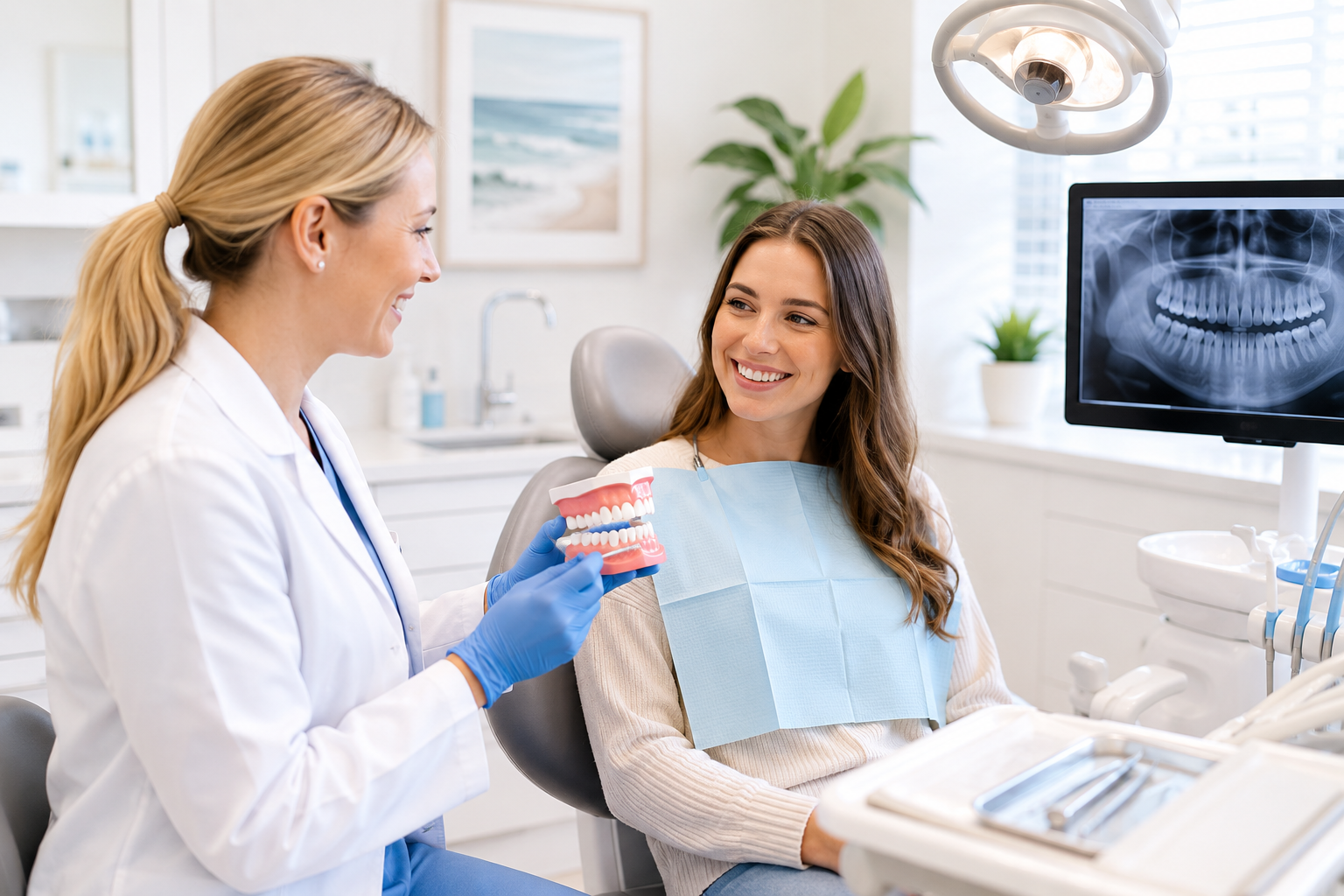
You’ll find a pediatric dentist in Kalispell, MT who understands how to make children comfortable, teach healthy habits, and prevent dental problems before they start. This local specialist combines gentle care, modern techniques, and family-focused guidance to keep your child’s smile healthy at every age.
They explain what to expect at each visit and tailor services for toddlers through teens, so appointments feel calm and constructive. Expect helpful tips on at-home care, options for anxiety-free treatment, and clear steps for choosing the right dentist for your family.
The article walks through why early dental care matters, typical visit routines, available treatments, and how to support your child between appointments. You’ll come away ready to schedule a visit or ask informed questions about your child’s dental needs.
Why Early Dental Care Matters
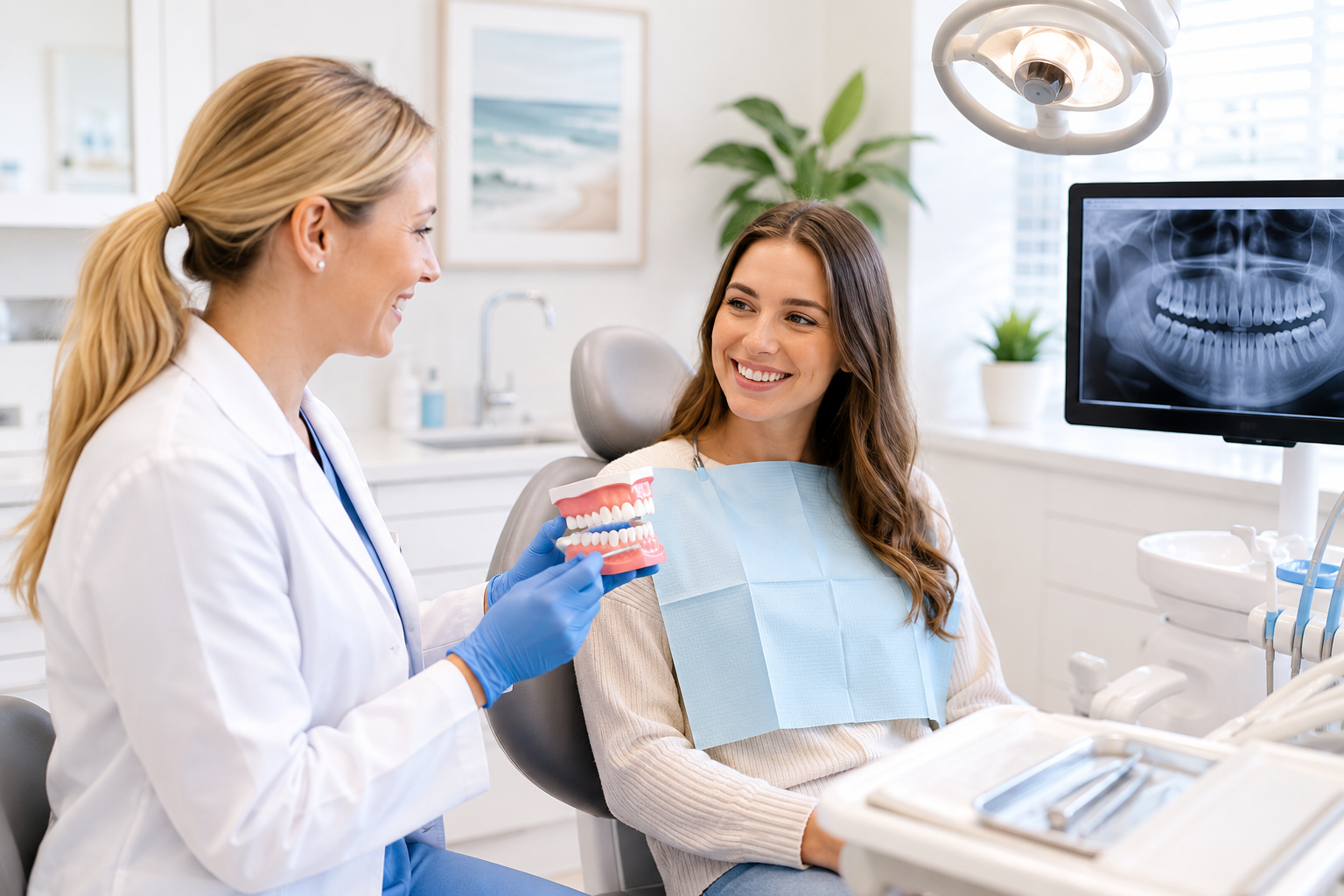
Early dental care sets the foundation for healthy teeth, confident smiles, and fewer emergency visits. Timely checkups, fluoride use, and parental guidance reduce decay risk and support proper jaw and speech development.
Building Lifelong Healthy Smiles
Starting dental visits by the child’s first birthday helps dentists monitor tooth eruption and jaw growth. Pediatric dentists in Kalispell examine bite alignment, detect enamel defects, and advise on bottle or pacifier use to prevent future malocclusion.
Routine cleanings remove plaque before it becomes cavities. Dentists teach parents tooth-brushing techniques for infants and young children, including appropriate toothpaste amounts and brushing frequency. They also provide diet guidance, such as limiting juice and sticky snacks that feed decay-causing bacteria.
When preventative measures aren’t enough, pediatric dentists offer conservative treatments—silver diamine fluoride to arrest early cavities or tooth-colored fillings that preserve healthy tooth structure. These early interventions reduce the need for more invasive procedures later.
Preventive Benefits for Children
Fluoride varnish and dental sealants provide measurable protection against decay. Fluoride strengthens enamel at routine visits, while sealants cover deep grooves on molars where food and bacteria hide.
Regular checkups allow for growth tracking and early orthodontic screening. Detecting a developing crossbite or crowding in the mixed dentition phase gives clinicians options like space maintainers or simple guiding appliances that avoid heavier treatments later.
Preventive care also reduces pain and missed school days. Treating cavities early prevents infections that can affect sleep and concentration. Pediatric dentists use child-friendly techniques to minimize anxiety and make visits positive.
Recognizing Common Childhood Dental Issues
Tooth decay remains the most common childhood disease, often starting around the eruption of the first molars. Look for white or brown spots, persistent bad breath, or reluctance to chew on one side—these can signal cavities or enamel problems.
Thumb-sucking and prolonged pacifier use can alter bite development if they persist past age 3. Pediatric dentists assess oral habits and recommend behavioral strategies or reminders, plus simple appliances when needed to help transition away from sucking.
Teething discomfort, early enamel defects, and trauma from falls are frequent concerns. Dentists provide safe pain-management advice, monitor enamel hypoplasia, and treat knocked-out or chipped teeth quickly to preserve permanent tooth development.
What to Expect During Your Child’s Visit
The visit focuses on comfort, clear communication, and practical steps to keep teeth healthy. Parents will learn about preventive care, routine exams, and how the team tailors the experience to each child’s needs.
First Appointment Experience
The first appointment begins with friendly check-in and a short medical and dental history review. Staff confirm allergies, medications, and any past dental behavior to plan the appointment and set realistic goals.
A gentle, age-appropriate oral exam follows. The dentist examines teeth, gums, bite, and growth patterns while pointing out what they see in simple terms so parents understand current oral health and any concerns.
If the child is cooperative, the team cleans the teeth using a child-sized brush and fluoride polish. X-rays are taken only when necessary and with modern low-dose sensors; staff explain why an image is helpful and how they minimize exposure.
Before leaving, the dentist and hygienist discuss a personalized home-care plan and any recommended follow-up, such as preventive sealants or a recall interval. Parents receive written instructions and phone numbers for questions.
Welcoming and Child-Friendly Environment
The office design intentionally reduces anxiety with bright, uncluttered décor and a small play area stocked with books and sensory toys. Child-height sinks and colorful chairs help children feel more in control.
Staff wear nametags and introduce themselves by name, role, and one sentence about how they will help. This predictable structure calms many children and builds trust quickly.
Waiting-room lighting and noise are kept low; a private check-in counter speeds paperwork for primarily pediatric visits. Clear signage points families to restrooms and the exam rooms to avoid confusion.
Staff train regularly in child behavior guidance and basic pediatric first aid. Parents can request a tour before the appointment when scheduling to preview the setting and meet the team.
Gentle Exams and Kid-Centered Communication
Dentists use a “tell-show-do” approach: they describe the tool, show it to the child, and then perform the action. This stepwise method lowers fear and improves cooperation.
Exams rely on short explanations and demonstrations rather than technical jargon. For example, the dentist might say, “This little mirror helps me count your teeth,” and let the child hold the mirror first.
When treatment is needed, options are explained to parents and presented to children in simple terms, using models or drawings. Local anesthetic or sedation is only used when necessary and after discussing risks and benefits.
The team encourages parents to sit with younger children during the exam and trains them in calming techniques like deep breaths or story-telling. Staff invite questions and schedule follow-ups immediately if a child needs gradual acclimation to dental care.
Services Provided for Young Patients
Children receive gentle, age-appropriate dental care that emphasizes prevention, comfort, and healthy habits. Appointments focus on thorough exams, cleaning, protective treatments, and early problem detection to keep baby and permanent teeth on track.
Routine Cleanings and Exams
Pediatric dentists perform professional cleanings that remove plaque and tartar without causing discomfort. They use child-sized instruments and gentle suction while explaining each step in simple language to reduce anxiety.
Exams include charting tooth development, checking for cavities, and assessing bite alignment. Providers often use digital x-rays when necessary, which minimize radiation and catch issues not visible to the eye.
Dentists evaluate oral hygiene technique and offer personalized home-care tips for brushing and flossing. They also review diet, suggest fluoride use, and schedule recall visits based on individual risk.
Dental Sealants and Fluoride Treatments
Sealants are thin plastic coatings applied to molar grooves to block bacteria and food particles. The application is quick, painless, and protects hard-to-clean chewing surfaces for several years.
Topical fluoride varnish strengthens enamel and reduces decay risk, especially in children with past cavities or high sugar intake. Treatments take only a few minutes and can be paired with a cleaning.
Providers recommend sealants for first and second permanent molars as soon as they erupt. They tailor fluoride frequency—typically every 3–12 months—based on caries risk and community water fluoridation.
Cavity Prevention Strategies
Prevention combines clinical care with daily habits and dietary changes. Dentists create individualized plans that include brushing twice daily with a fluoride toothpaste, supervised flossing, and using interdental aids for tight spaces.
Dietary counseling targets frequent sugary snacks and acidic drinks, suggesting swaps like water, whole fruit, and cheese. They advise timing snacks to avoid constant acid exposure that weakens enamel.
For high-risk children, clinicians may recommend prescription fluoride gels, antimicrobial rinses, or more frequent professional cleanings. Behavioral strategies—positive reinforcement, brushing charts, and parent modeling—help build lasting routines.
Orthodontic Screenings for Growing Smiles
Early orthodontic screenings identify jaw growth issues, crowded teeth, and bite problems before they worsen. Pediatric dentists evaluate spacing, crossbites, and jaw symmetry around age 7 or at the first sign of misalignment.
When interceptive treatment helps, options include space maintainers, palatal expanders, or limited braces to guide development. Timely interventions can reduce the need for full orthodontic treatment later.
Dentists coordinate with orthodontists when specialized care is required, providing clear timelines and expected outcomes. They explain benefits and risks in plain terms so parents can make informed decisions.
Comfort and Anxiety-Free Treatments
The practice prioritizes a calm, child-focused experience that combines behavior techniques and medical options to reduce fear and discomfort. Staff use clear explanations, distraction tools, and gradual exposure to make visits predictable and less stressful for children.
Modern Approaches to Managing Fear
The team trains in tell‑show‑do, positive reinforcement, and guided imagery to help children understand procedures step by step. They explain instruments in simple words, let the child touch non‑sharp tools, and demonstrate on a puppet or parent first to build trust.
Playful distractions appear throughout visits: noise‑reducing headphones with music, age‑appropriate video goggles, and toys in the treatment room. Staff members also schedule appointments for the times the child is typically calm — often mornings for preschoolers — and keep visits brief for very young patients.
For children with significant anxiety or special needs, clinicians work with parents to create individualized behavioral plans and may coordinate with pediatricians or therapists for consistent approaches across settings.
Pain-Free Options and Sedation Dentistry
Topical anesthetics are applied first to numb injection sites; dentists use buffered local anesthetic and computer‑controlled delivery systems to reduce needle discomfort. These techniques lower pain and the chance of post‑op soreness for most procedures like fillings or sealants.
For greater anxiety or longer treatments, the office offers nitrous oxide (laughing gas) that reduces fear while keeping the child awake and responsive. For complex or extensive work, they provide conscious oral sedation under strict monitoring, with dosing tailored to weight and medical history.
When deeper sedation or general anesthesia is necessary, dentists collaborate with board‑certified anesthesiologists and follow pediatric safety protocols: pre‑op screening, continuous vital‑sign monitoring, and post‑op recovery instructions. Parents receive clear, written pre‑ and post‑procedure guidelines to ensure safe preparation and recovery.
If the child has health conditions or medication sensitivities, the team reviews the medical record and communicates with the family’s pediatrician to select the safest, most comfortable option.
Choosing the Right Dentist for Your Family
Finding a dentist in Kalispell who combines specialized training, kid-friendly care, and modern equipment makes dental visits easier for children and parents. Look for clear credentials, comfortable office practices, and staff who explain treatments in plain language.
Qualifications of a Pediatric Dental Specialist
A pediatric dental specialist completes dental school plus a 2–3 year residency focused on child development, behavior guidance, and pediatric oral health. Confirm board certification or membership in the American Board of Pediatric Dentistry and the American Academy of Pediatric Dentistry for additional assurance of up-to-date practices.
Ask about experience with common childhood procedures: dental sealants, fluoride treatments, pulpotomies, stainless steel crowns, and early orthodontic screenings. Verify office infection control protocols and whether sedation or nitrous oxide is offered for anxious children, including staff training in pediatric life support.
Check for continuing education in areas like trauma management, special healthcare needs, and minimally invasive dentistry. Read local reviews that mention gentle behavior management, clear explanations, and successful outcomes for toddler exams or dental emergencies.
Building a Trusting Relationship With Young Patients
Warm, consistent communication builds trust quickly. Staff should greet children warmly, explain instruments in simple terms, and allow a slow approach—like letting a child touch the toothbrush or sit on a parent’s lap during the first exam.
Look for practices that use age-appropriate language and positive reinforcement rather than scolding. Techniques such as “tell-show-do,” visual schedules, and short, predictable visits reduce fear and improve cooperation.
Observe how the team handles separation anxiety and special needs: presence of a caregiver, sensory-friendly rooms, and flexible appointment lengths matter. A written behavior plan or pre-visit phone call can help families prepare and set expectations.
Call the office to ask about first-visit routines, how they handle emergencies after hours, and whether they coordinate with pediatricians or orthodontists. These practical details predict whether the practice will become a long-term, trusted partner in a child’s oral health.
Supporting Healthy Habits at Home
Good daily habits at home make dental visits easier and reduce cavities, tooth pain, and emergency trips. Practical routines, fun motivation, and the right tools set children up for lifelong oral health.
Simple Oral Hygiene Tips for Parents
Parents should choose a soft-bristled, age-appropriate toothbrush and a fluoride toothpaste with the ADA seal. For children under 3, use a smear of fluoride toothpaste about the size of a grain of rice; for ages 3–6, use a pea-sized amount. Replace toothbrushes every 3 months or sooner if bristles fray.
Supervise brushing until a child can tie shoelaces reliably—typically around age 7–8. Brush teeth twice daily for two minutes, using gentle circular motions and covering front, back, and chewing surfaces. Use floss or interdental brushes daily once two teeth touch; start flossing when contacts form.
Limit sugary snacks and drinks, especially between meals. Offer water after sweets and avoid sippy cups filled with juice at bedtime. Schedule the first dental visit by the first birthday and routine checkups every six months or as the pediatric dentist recommends.
Encouraging Kids to Brush and Floss
Make brushing predictable by pairing it with another daily routine, such as pajamas or bedtime stories. Use a timer, a two-minute song playlist, or a brightly colored hourglass to make the length clear and consistent. Let the child pick a toothbrush or flavored fluoride toothpaste within recommended options to boost ownership.
Turn flossing into a short, guided step for younger children: parents should floss first, then let the child try under supervision. Praise specific behaviors—“Great job brushing the back molars”—rather than vague compliments. For resistant children, offer small, non-food rewards like stickers or a choice of a weekend activity after a week of consistent brushing.
If a child refuses or shows anxiety, introduce brushing gradually: start with wiping gums after meals, then short brushing sessions, building to two minutes. Consult the pediatric dentist in Kalispell for tips tailored to sensory needs, habit challenges, or special dental appliances.
Special Considerations and Unique Needs
Pediatric dentists in Kalispell tailor care to children with sensory differences and manage common dental emergencies with clear, practical steps. Emphasis lies on predictable routines, sensory-friendly adaptations, and rapid, family-focused emergency response.
Dental Care for Children With Sensory Challenges
Children with sensory processing differences often react strongly to lights, sounds, tastes, and touch in the dental setting. Clinicians in Kalispell use predictable visit schedules, quieter treatment rooms, and dimmable lighting to reduce sensory overload.
Teams train in slow verbal cues, one-step instructions, and allowing the child to handle non‑sharp dental tools before treatment. They may offer weighted blankets, noise‑canceling headphones, or sunglasses to improve comfort.
Behavioral supports include visual schedules, social stories, and short desensitization visits that gradually introduce cleaning, X-rays, and instruments. When necessary, clinicians coordinate with occupational therapists or the child’s school for consistency in strategies.
If sedation becomes necessary, the practice reviews medical history, uses the lowest effective dosing, and explains monitoring protocols to caregivers in plain language.
Addressing Dental Emergencies
Kalispell pediatric dentists prioritize quick, clear steps for common emergencies like knocked‑out teeth, broken crowns, or severe toothaches. For a knocked‑out permanent tooth, rinse gently with water, avoid scrubbing the root, and reinsert if possible; otherwise place it in milk or saline and seek care within 30–60 minutes.
For fractured baby teeth, manage bleeding with firm pressure using clean gauze and call the office for same‑day assessment to prevent infection or harm to developing permanent teeth.
Severe tooth pain or swelling warrants immediate contact because untreated infections can spread. The dental team provides pain‑control guidance, prescribes antibiotics only when indicated, and explains follow‑up steps clearly to caregivers.
Emergency appointments prioritize pain relief, stabilization, and a clear plan for definitive treatment, with staff offering written aftercare instructions and phone follow‑up to monitor recovery.
Next Steps and Scheduling a Visit
Families can call the Kalispell pediatric dental office to book an appointment or request availability online. The staff confirms insurance benefits, explains fees, and helps choose a time that fits school and activity schedules.
Parents receive a short intake form to complete before the first visit; this saves time and lets the dentist review medical history and any concerns. They also offer guidance on what to bring, such as immunization records or previous dental X-rays.
New patients typically start with a gentle exam and cleaning, plus a simple discussion about growth, diet, and home care. Fluoride treatments or sealants may be recommended during that visit if clinically appropriate.
Appointment reminders come by phone, text, or email, and the office has a straightforward cancellation policy that prioritizes appointment flexibility. For urgent needs, the practice provides same-day or next-day openings when possible.
Availability and contact details:
- Phone: Call the front desk to speak directly with a scheduling coordinator.
- Online: Use the office website to request appointments and submit forms.
- Insurance: Staff verify coverage before the visit and explain any out-of-pocket costs.
They encourage parents to ask questions about comfort options, behavioral techniques, and payment plans when scheduling. A short phone conversation can make the first visit more relaxed and productive.
Frequently Asked Questions
This section answers practical questions parents call or text about most often: timing of first visits, calming anxious kids, cavity prevention, emergency steps, orthodontic timing, and choices between modern gentle care and “biological” approaches.
When should I schedule my child’s first dental visit, and what happens during that appointment?
Schedule the first visit by the child’s first birthday or within six months of the first tooth’s eruption, whichever comes first.
The pediatric dentist checks growth, screens for decay, reviews feeding and cleaning habits, and offers a simple demonstration of brushing.
Expect a friendly, short visit aimed at building trust rather than doing complex treatment. Parents receive personalized guidance on bottle use, pacifiers, diet, and fluoride.
How can I help my child feel calm and comfortable at the dentist—especially if they’re nervous or fearful?
Prepare by role-playing brushing and the dental chair at home, reading a short book about the dentist, and keeping language positive and concrete.
Bring a favorite toy or blanket; ask the office about a meet-and-greet visit before any treatment.
The dental team may use tell‑show‑do, distraction techniques, or gentle sedation when needed. They explain options clearly so parents can choose what fits the child’s age and anxiety level.
What are the best ways to prevent cavities in kids, and do fluoride treatments and sealants really help?
Brush twice daily with a smear of fluoride toothpaste for infants and a pea‑sized amount for older children; supervise until brushing technique is mastered. Limit sugary snacks and drinks and encourage water between meals.
Professional fluoride varnish reduces decay risk and is safe in recommended amounts. Dental sealants protect deep grooves on molars and significantly lower cavity rates when applied early.
If my child has a toothache or dental emergency, what should I do right away before we’re seen?
For a loose or knocked‑out baby tooth, try to keep the child calm and locate the tooth; do not reinsert a knocked‑out baby tooth. For a knocked‑out permanent tooth, hold by the crown, rinse briefly without scrubbing, and try to reinsert or transport it in milk.
For severe pain or swelling, apply a cold compress and avoid giving aspirin; contact the dental office immediately.
Call the pediatric dentist promptly; many practices offer same‑day or emergency slots and will give clear home‑care steps before the visit.
How do I know if my child might need braces, and when should an orthodontic evaluation start?
Look for crowded or crooked teeth, early or late loss of baby teeth, difficulty biting or chewing, or a persistent thumb‑sucking habit.
The American Association of Orthodontists recommends an initial orthodontic check by age 7; the pediatric dentist can refer earlier if problems appear.
Early evaluation identifies jaw growth concerns and may allow simpler guidance or interceptive treatment to reduce future complexity.
What’s the difference between gentle, modern pediatric dental care and a more “biological” approach, and how do I choose what fits our family?
Gentle, modern pediatric care prioritizes comfort, behavior management, minimally invasive restorative techniques, evidence‑based fluoride use, and preventive education.
“Biological” dentistry often focuses on holistic, metal‑free materials and alternative philosophies; some practices limit fluoride or certain materials.
Parents should ask about the dentist’s treatment materials, safety protocols, evidence for recommended therapies, and how the practice manages pain and anxiety. Choosing depends on the family’s values, the child’s clinical needs, and clear communication with the dentist about risks, benefits, and expectations.