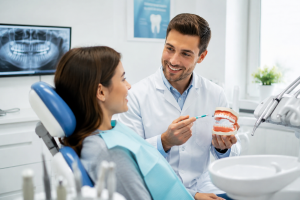
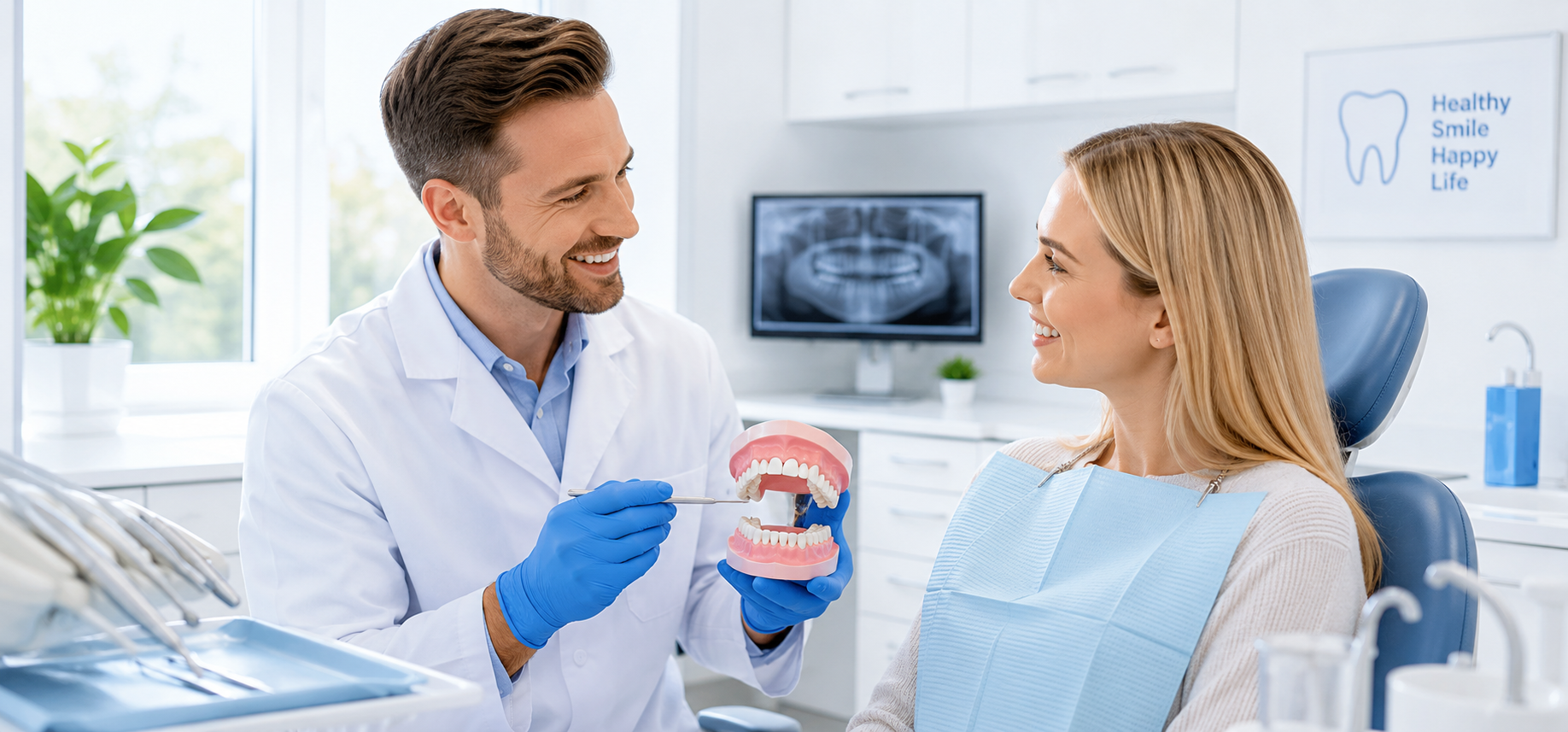
Thinking about same-day dental implants in Kalispell? You can get a missing tooth replaced and leave the office with a stable temporary restoration in a single visit when you meet the right clinical criteria and work with a skilled implant team. Same-day implants can restore function and appearance quickly for many patients, letting them eat and smile with confidence much sooner than traditional staged implant approaches.
They evaluate bone quality, overall health, and oral conditions during a thorough consultation, then use digital planning and precise placement to minimize chair time and speed recovery. Expect clear explanations about costs, financing options, what happens on implant day, and realistic aftercare steps so you feel prepared and comfortable.
Local Kalispell dentists combine modern techniques with a focus on patient comfort and prevention, helping individuals make long-lasting choices for oral health. If someone wants faster results without sacrificing safety, exploring a consultation will clarify whether same-day implants fit their needs.
What Are Same-Day Dental Implants?
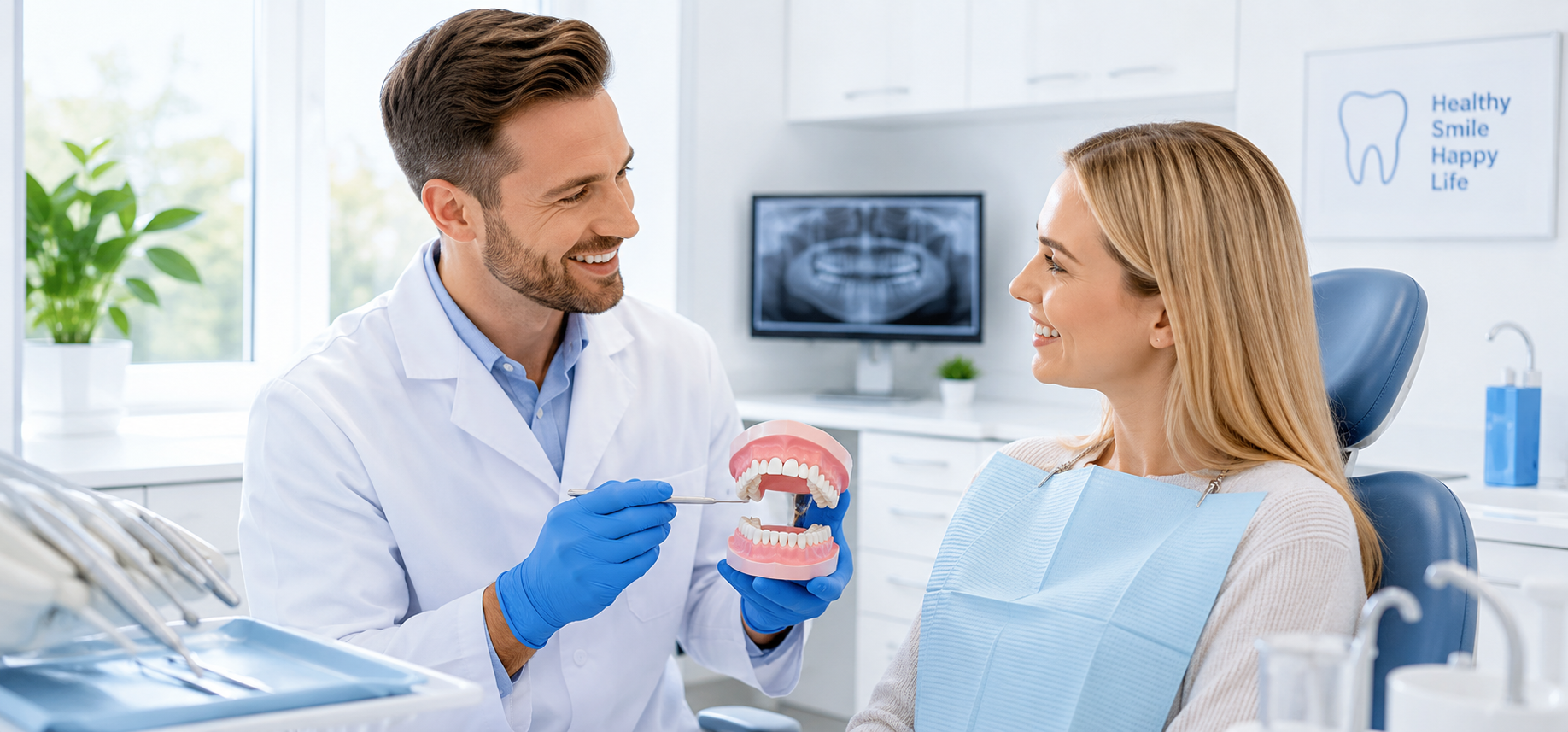
Same-day dental implants replace missing teeth with a titanium implant and a temporary crown in a single visit, reducing treatment time and visits. They require careful planning, precise placement, and immediate stabilization of the implant to support a provisional restoration.
How Same-Day Implants Work
Same-day implants begin with a thorough evaluation: 3D cone-beam CT scans, intraoral scans, and a clinical exam to assess bone volume, bite forces, and neighboring teeth. The team plans implant position digitally, often using surgical guides to place the implant in the ideal angulation for immediate loading.
During the procedure, the dentist extracts any failing tooth if needed, prepares the implant site, and inserts the implant with high primary stability (measured as insertion torque or implant stability quotient). A provisional crown or bridge is attached that is shaped for soft-tissue support but kept out of heavy chewing contact.
Follow-up includes soft-tissue checks at 1–2 weeks and imaging at 3–4 months to confirm osseointegration before placing the final restoration. Patient-specific factors—bone density, parafunctional habits, and systemic health—determine candidacy and protocol adjustments.
Immediate Benefits for Patients
Patients receive a functional tooth the same day, restoring appearance and speech without long edentulous periods. This immediate provisional helps maintain facial contours and supports daily activities like eating soft foods and smiling with confidence.
Same-day treatment reduces the number of surgical visits, lowering overall chair time and travel for patients in Kalispell, MT who prefer fewer appointments. Many report less anxiety knowing they leave the office with a tooth rather than a temporary denture or gap.
Pain and swelling are typically manageable with prescription or over‑the‑counter medications, and clinicians provide specific home-care instructions to protect the provisional while osseointegration occurs.
Key Differences from Traditional Implants
Traditional implants usually follow a two-stage timeline: implant placement, a healing period of 3–6 months, then crown placement. Same-day implants combine placement and provisionalization immediately, eliminating the long healing gap.
Success of same-day implants hinges on achieving strong primary stability and controlled occlusion on the provisional. Traditional implants tolerate delayed loading and may be chosen when bone grafting or complex reconstruction is required.
Risk profiles differ: same-day options may not suit patients with insufficient bone, uncontrolled diabetes, or heavy bruxism. Clinicians in Kalispell evaluate medical history, perform imaging, and recommend the safest approach—same-day or staged—based on objective criteria.
Who Is a Good Candidate?
Most candidates have healthy gums, adequate jaw support, and realistic goals for appearance and function. A careful exam, medical history review, and imaging determine if same-day implants fit a patient’s needs.
Ideal Health Conditions
Good candidates typically have controlled systemic health issues. Diabetes should be well-managed (A1c ideally <7%), and cardiovascular conditions must be stable with physician clearance if needed. Smoking increases failure risk; quitting before and after surgery improves outcomes.
Healthy oral tissues matter. No active gum disease or untreated tooth infections should exist at the implant site. If decay or periodontal pockets are present, they require treatment first.
Medications and allergies affect candidacy. Bisphosphonate use, certain immunosuppressants, or recent head/neck radiation can complicate healing. The clinician reviews all prescriptions and coordinates with the patient’s physician as needed.
Considerations for Bone Density
Adequate bone quantity and quality are essential for immediate implant stability. Cone-beam CT scans measure jawbone height, width, and density to confirm primary stability for same-day loading.
When bone is insufficient, clinicians consider alternatives. Options include bone grafting, ridge augmentation, or staged implant placement that delays loading. These add treatment time but increase long-term success.
Bone health also depends on systemic factors. Osteoporosis alone isn’t an absolute contraindication, but medications and fracture history influence planning. The team tailors implant size and placement to match the patient’s bone characteristics.
Patient Expectations and Goals
Candidates should expect a predictable workflow: consultation, imaging, same-day implant placement, and a provisional crown or bridge in many cases. They should understand provisional restorations may be adjusted later for final aesthetics and occlusion.
Realistic goals reduce disappointment. Patients aiming for full-mouth cosmetic changes may require staged treatments or additional procedures like extractions, grafts, or orthodontics before implant placement.
Commitment to follow-up matters. Successful outcomes rely on post-op care, oral hygiene, and regular visits for adjustments and monitoring. Patients who value function and maintenance tend to do best with same-day implant treatments.
The Consultation and Evaluation Process
Patients receive a focused review that covers medical history, oral health goals, and candidacy for same-day implants. The team assesses bone quality, soft tissue condition, and aesthetic expectations to create a clear, individualized plan.
Personalized Treatment Planning
The dentist reviews medical history, current medications, and any chronic conditions that could affect healing, such as diabetes or smoking. They document tooth loss history and examine neighboring teeth to determine if immediate load implants suit the patient’s situation.
A clinical exam measures gum health, bite alignment, and space for the implant restoration. The team discusses prosthetic options — single crowns, fixed bridges, or implant‑retained dentures — and matches those to the patient’s budget and lifestyle.
A step-by-step timeline gets presented, including surgery, provisional restoration the same day, and follow-up visits at 1 week, 1 month, and 3–6 months. The plan also lists contingencies: bone grafting if density is insufficient, or staged implants if primary stability can’t be achieved.
Advanced Dental Imaging Techniques
The practice uses cone-beam CT (CBCT) scans to map jawbone volume, nerve locations, and sinus positions in three dimensions. This imaging allows precise implant size, position, and angulation planning to avoid nerves and maximize initial stability.
Intraoral scanners create digital impressions for a same‑day provisional crown without messy putty. The combination of CBCT and digital scans integrates into guided-surgery workflows and 3D-printed surgical guides for predictable implant placement.
Images and 3D models get reviewed with the patient using on-screen visuals so they can see bone contours and proposed implant positions. That transparency reduces surprises and helps the patient consent to a treatment backed by measurable data.
Open Communication with Your Dental Team
The dentist explains risks, benefits, and realistic outcomes in plain language, addressing pain management, expected healing timelines, and dietary restrictions after surgery. They provide written instructions and contact information for post-op concerns.
Financial options and insurance coverage get discussed upfront, with cost comparisons between immediate provisional restorations and staged approaches. The patient is encouraged to ask about sedation choices, warranty policies on restorations, and the experience level of the surgical team.
A follow-up schedule is confirmed before treatment begins, and the practice invites questions by phone or patient portal. This ongoing communication supports comfort and confidence throughout the same-day implant process.
What to Expect on Implant Day
The visit follows a clear, patient-focused plan: careful local anesthesia, precise implant placement, and same-day provisional teeth when appropriate. Staff will monitor comfort and explain each step so the patient knows what happens and why.
Step-by-Step Procedure Overview
The patient arrives and completes brief intake forms if not already done. A clinician reviews the CBCT scan and digital plan at the chairside, confirming implant size and position with the patient.
Local anesthesia is administered to numb the area; sedation options like oral or nitrous oxide are offered based on the pre-appointment discussion. The surgeon exposes the site with a small incision or uses a flapless approach for minimal tissue disturbance.
A pilot hole is drilled with guided stents or dynamic navigation for exact angulation. The implant is placed to the predetermined depth and torque is measured; high primary stability (usually ≥35 Ncm) guides whether a same-day provisional crown can be attached.
If indicated, a titanium or zirconia provisional tooth is secured, adjusted for bite, and polished. The clinician provides immediate postoperative instructions and prescriptions before the patient leaves.
Modern Comfort Measures
Clinics use multimodal pain control: topical anesthetic, long-acting local anesthetic, and non-opioid analgesics like ibuprofen or acetaminophen. Patients who prefer, or need, deeper relaxation can receive conscious oral sedation or IV sedation supervised by trained personnel.
Atraumatic surgical techniques, guided implant placement, and small incisions reduce swelling and bruising. Heated blankets, noise-cancelling headphones, and calming music help anxious patients feel more at ease during the procedure.
Sterile, digital workflows shorten chair time and lower infection risk. The team schedules brief check-ins by phone the evening of surgery and a follow-up visit within 48–72 hours to review healing and manage any discomfort.
Timeline from Start to Finish
Arrival time: 15 minutes before the appointment for final questions and prep. Procedure time: 60–180 minutes depending on number of implants and extractions performed that day.
Immediate provisional placement, when possible, adds about 20–40 minutes for adjustments and bite verification. Recovery in the office takes 15–30 minutes to ensure stable vitals and comfort.
Total time at the office typically ranges from 1.5 to 4 hours. Patients should plan for a driver if sedated and expect mild swelling and tenderness for 3–7 days, with most returning to normal activities within 48 hours. For next steps, the team schedules implant integration checks at 2 weeks, 3 months, and the definitive restoration appointment at the appropriate healing interval.
Benefits of Choosing This Option in Kalispell
Same-day dental implants in Kalispell save time, reduce appointments, and restore a natural smile quickly. Local clinicians combine modern implant systems with personalized care to prioritize comfort and long-term success.
Local Expertise and Experienced Providers
Kalispell implant dentists often train at regional universities and complete advanced implant courses, giving them hands-on experience with systems like Straumann and Nobel Biocare. They work with local labs and CBCT imaging, which improves treatment planning and accuracy for bone anatomy unique to each patient.
Clinics typically perform a comprehensive assessment—medical history, 3D scans, and bite analysis—during the first visit to confirm candidacy for same-day placement. That focused workflow lowers the chance of surprises during surgery and helps tailor anesthesia or sedation to patient needs.
Many providers maintain transparent fee structures and offer financing or bundled pricing for single-visit implant cases. Patients benefit from continuity of care: pre-op, surgery, and follow-up often occur within the same practice, which simplifies communication and aftercare.
Convenience for Busy Schedules
Same-day implants reduce multiple surgical visits into a single appointment, which suits Kalispell residents with work, family, or seasonal outdoor commitments. Patients avoid repeated time off and multiple travel days to the clinic, saving both hours and travel costs.
The typical visit combines extraction (if needed), implant placement, and temporary crown attachment under one anesthetic plan. This minimizes overall treatment time while ensuring the patient leaves with a functional tooth rather than a removable prosthesis.
Follow-up appointments focus on healing checks and final restoration, not repetitive surgical procedures. That streamlined approach makes it easier to coordinate with employers or caregivers and reduces disruption to daily routines.
Natural-Looking Results
Clinics in Kalispell prioritize esthetics by matching implant crowns to surrounding teeth for color, shape, and translucency. Local dental labs use digital impressions and shade-matching protocols to produce crowns that blend with enamel characteristics specific to each patient.
Implant placement uses guided surgery in many practices, which positions implants for optimal gum contours and papilla preservation. This attention to soft-tissue management supports natural emergence profiles and reduces the visible gap between implant and neighboring teeth.
Patients typically receive a provisional crown that maintains bite and appearance while the implant integrates. Once osseointegration completes, the final porcelain or zirconia crown delivers long-term durability and a lifelike appearance that restores confidence in smiling and speaking.
Contact the Kalispell practice to discuss candidacy, view before-and-after photos, or schedule a consultation to see how same-day implants might fit individual needs.
Understanding Costs and Financing Options
Patients should expect costs to vary by implant type, surgical complexity, and any preparatory treatments. Financing choices can include in-office plans, third-party lenders, and flexible spending accounts.
Factors That Influence Pricing
Costs depend on specific implant components: a single titanium implant post typically ranges from $1,200–$2,500 in Kalispell, while the abutment and crown add $800–$2,000. Same-day implant procedures that use an immediate temporary tooth or a pre-fabricated crown can increase lab and surgical fees by several hundred dollars.
Clinical factors matter: bone grafts commonly add $300–$1,500, sinus lifts often run $800–$2,500, and extractions may cost $150–$600 per tooth. Complex cases requiring CT-guided surgery or sedation will further raise fees. Clinic factors also affect price: a general dentist offering implants may charge less than a specialist oral surgeon, and high-tech clinics that use digital planning or on-site milling might charge a premium.
Patient-specific variables change the estimate as well. Health issues like uncontrolled diabetes or smoking history can require additional healing time and interventions, altering both timeline and cost. Ask for a written, itemized estimate that lists implant post, abutment, crown, imaging, grafts, and surgical fees.
Available Payment Plans
Many Kalispell practices provide in-house payment plans that split the bill into monthly installments with little or no interest for 6–12 months. These plans often require a down payment of 10–30% and automatic monthly billing, so patients should confirm cancellation and refund policies.
Third-party medical financiers such as CareCredit and LendingClub offer longer-term loans with variable APRs; promotional 0% periods are common but require on-time payments to avoid retroactive interest. Financing through a bank or credit union is another option; secured personal loans usually have lower rates for borrowers with good credit.
Tax-advantaged accounts can reduce out-of-pocket expense: Health Savings Accounts (HSA) and Flexible Spending Accounts (FSA) accept implant treatments if deemed medically necessary. Clinics often help patients combine options—using an HSA for part of the cost and a payment plan for the remainder—to make treatment affordable without delaying care.
Insurance Coverage Tips
Dental insurance rarely covers full implant costs, but many plans will cover portions such as the crown or extractions. Patients should check benefit maximums—typical annual caps of $1,000–$2,000 mean insurance may only offset a small part of implant treatment.
Verify whether the insurer requires preauthorization for implants and whether it classifies implants as restorative or prosthetic treatment. Gather supporting documentation: panoramic X-rays, CBCT scans, and a treatment plan from the dentist increase the chance of approval. For medically necessary implants linked to trauma or disease, submit medical records to medical insurance for possible partial coverage.
Request a predetermination of benefits from the insurer before treatment. Keep detailed billing codes (e.g., D6010 for implant placement, D6058 for implant-supported crown) and itemized invoices; these speed claims, enable appeals, and help patients compare actual out-of-pocket responsibility across clinics.
Recovery and Aftercare Tips
Expect mild swelling, light bleeding, and variable discomfort for the first 48–72 hours. Follow prescribed medications, keep the surgical site clean, and attend follow-up visits to protect the implant and speed recovery.
Caring for Your New Smile
They should avoid touching the implant area with fingers or tongue during the first week to reduce infection risk. Use a soft-bristled toothbrush and gently clean remaining teeth; at 24 hours post-op rinse with a prescribed or salt-water solution (1/2 teaspoon salt in 8 oz warm water) four times daily to remove debris without disturbing the surgical site.
If sutures are present, follow the dentist’s guidance—some dissolve, some require removal at the 7–10 day visit. Report persistent bleeding beyond 12 hours, increasing pain despite medication, fever, or swelling that worsens after 72 hours. Keep all scheduled checkups so the clinician can verify osseointegration and adjust care as needed.
What to Eat After Getting Implants
Stick to soft, nutrient-dense foods for the first 7–10 days. Good choices include Greek yogurt, scrambled eggs, blended soups (not hot), mashed potatoes, smoothies with protein powder, and well-cooked pasta; avoid nuts, seeds, popcorn, chips, hard candies, and sticky foods that can dislodge temporary restorations.
Chew on the opposite side of the implant when possible. Maintain hydration and avoid alcohol and tobacco for at least 72 hours; both slow healing and increase infection risk. Gradually reintroduce firmer foods as comfort and clinician assessment allow.
Promoting Healing and Comfort
They should take prescribed antibiotics and pain relievers exactly as instructed to minimize infection and control pain. Apply a cold pack to the cheek in 15-minute intervals for the first 24 hours to reduce swelling, then switch to warm compresses after 48 hours if needed to ease muscle soreness.
Sleep with the head elevated for the first two nights to limit swelling. Maintain oral hygiene but avoid vigorous rinsing or spitting for 24 hours. If a temporary crown or provisional restoration feels loose or causes biting changes, contact the dental office promptly to prevent stress on the implant.
Preventive Care for Long-Lasting Results
Routine maintenance and consistent at-home care preserve implant health, protect surrounding teeth, and prevent complications that can lead to failure.
Regular Checkups and Maintenance
Patients should schedule professional exams every 3–6 months for the first year after same-day implants in Kalispell, then typically every 6–12 months depending on risk factors.
During visits the dentist inspects the implant, prosthesis fit, and gum tissue, and takes radiographs as needed to monitor bone levels around the implant.
Hygienists remove calculus with non-metallic instruments to avoid scratching the implant surface and polish prosthetic crowns to reduce plaque retention.
Clinics often measure peri-implant pocket depths and check for bleeding on probing; persistent bleeding or increased depth triggers targeted therapy such as deeper cleaning or antibiotic gels.
Patients with diabetes, heavy smokers, or a history of periodontal disease may need more frequent visits and personalized maintenance plans to reduce the chance of peri-implantitis.
At-Home Hygiene Practices
Daily cleaning keeps plaque and bacteria from attacking implant-supporting tissue.
Recommend brushing twice daily with a soft-bristled brush and low-abrasive fluoride toothpaste, using gentle circular strokes around the implant crown and gum line.
Interdental cleaning is crucial: use floss designed for implants, interdental brushes with soft nylon bristles, or a water flosser to remove debris under and between prosthetic teeth.
Avoid metal picks and abrasive powders that can damage abutments or crowns.
If the patient notices redness, swelling, persistent bad taste, or mobility, they should contact the dental office promptly for assessment and possible early intervention.
Daily home care plus tailored professional maintenance offers the best chance for implants to remain healthy and functional for decades.
Why Patients in Kalispell Trust Local Dental Experts
Local dental teams combine technical skill with patient-centered care, offering clear treatment plans, upfront pricing, and scheduling flexibility. They focus on comfort, predictable outcomes, and follow-up care so patients feel supported before, during, and after same-day implant procedures.
Personalized Patient Support
Kalispell practices tailor consultations and treatment plans to each patient’s medical history, lifestyle, and esthetic goals. They begin with a detailed exam and 3D imaging to assess bone quality and implant positioning, then explain options in plain language so patients understand timing, costs, and expected recovery.
Clinics often assign a care coordinator who handles insurance estimates, appointment logistics, and post-op follow-ups. That single point of contact reduces confusion and speeds up same-day implant workflows.
Dental teams emphasize pain control and comfort measures. They offer local anesthesia options, sedation when appropriate, and clear post-op instructions, plus same-day prescriptions for pain and antibiotics if needed. Patients leave with written care plans and scheduled follow-ups to monitor healing.
Ongoing Education and Community Involvement
Kalispell dentists keep skills current through accredited courses and hands-on implant training, often from recognized implant systems and specialty organizations. That continuing education ensures clinicians use evidence-based techniques and the latest implant materials that improve success rates.
Many practices participate in community health events and give free educational talks at senior centers or health fairs. These activities build local trust and make dental care more approachable for residents who may be nervous about implants.
Clinics also collect and share patient testimonials and before-and-after cases so newcomers can see concrete results. Transparent outcomes, community presence, and visible commitment to learning reassure patients that they’re choosing a team invested in both quality care and the local community.
Taking the Next Step
They can start by scheduling a consultation to discuss whether same-day dental implants in Kalispell, MT, fit their needs. The visit typically includes a review of medical history, a dental exam, and diagnostic imaging.
The team explains treatment options clearly and answers common concerns about pain control, healing time, and budget. Patients often appreciate seeing before-and-after photos and hearing about recovery expectations.
A simple checklist helps prepare for the appointment:
- Bring medical records and a list of medications.
- Note questions about anesthesia, timelines, and follow-up care.
- Arrange transportation for the day of the procedure if sedation is planned.
Financial information and insurance options get reviewed so patients understand costs and payment plans. Many practices offer financing or phased treatment to make care manageable.
They receive a personalized treatment plan that outlines steps, estimated timeline, and aftercare instructions. Clear instructions on eating, oral hygiene, and follow-up visits support healing and protect the new implant.
If any worries arise, the clinic provides contact details for prompt support and emergency guidance. Calling or booking online lets patients take the next step toward restoring function and confidence with modern, patient-centered care.
Frequently Asked Questions
Same-day dental implants in Kalispell, MT replace a missing tooth with a titanium implant and a temporary crown in one appointment. Patients often choose this approach to restore chewing, appearance, and confidence quickly while planning for a final prosthesis after healing.
How do same-day dental implants work, and who is a good candidate?
The dentist places a titanium implant into the jawbone and attaches a temporary crown or bridge the same day. This temporary restores function and esthetics while the bone fuses to the implant over several months.
Good candidates have adequate bone density or can receive bone grafting, healthy gums without active infection, and realistic expectations about healing time. Smokers, people with uncontrolled diabetes, or those with severe bruxism may need evaluation and optimization before proceeding.
What should I expect during the appointment for placing an implant and a temporary tooth in one visit?
The visit begins with local anesthesia and possibly sedation to ensure comfort. The surgeon extracts any remaining tooth structure if needed, places the implant into the prepared site, and secures a provisional crown or bridge.
The provisional is shaped for function and appearance but designed to protect the implant during osseointegration. The whole appointment commonly lasts 2–4 hours depending on complexity.
How much do same-day dental implants typically cost, and what factors affect the price?
Typical costs in Kalispell range widely; single-tooth same-day implants often fall between $3,000 and $6,500. Prices vary based on implant brand, abutment and crown materials, surgeon experience, need for bone grafting or sinus lift, and diagnostic imaging.
Insurance may cover part of the procedure; many practices offer financing or payment plans. A consultation with itemized estimates clarifies actual out-of-pocket costs.
Is the procedure painful, and what comfort or sedation options are available?
Most patients report minimal pain during the procedure because of local anesthesia and optional oral or IV sedation for anxiety. Postoperative discomfort is usually moderate and managed with over-the-counter pain relievers or prescribed medications for a few days.
Cold packs, soft foods, and rest reduce swelling and discomfort. The dentist will provide clear aftercare instructions and emergency contact information.
How long do same-day implants last, and how do I care for them while healing?
With proper care, implants routinely last 15 years or more; many last a lifetime. Long-term success depends on oral hygiene, regular dental check-ups, and avoiding tobacco.
During healing, patients should follow a soft-food diet, avoid chewing directly on the provisional, brush gently, and use antimicrobial rinses if recommended. The practice schedules follow-up visits to monitor osseointegration and fit of the final restoration.
What are my options if I’m missing multiple teeth—implants, dentures, or something in between?
For multiple missing teeth, options include individual implants with crowns, implant-supported bridges, and implant-retained dentures. Fixed implant bridges replace several teeth without removable prosthetics, while overdentures snap onto implants for improved stability and easier cleaning.
The dentist evaluates jawbone volume, budget, and lifestyle to recommend the best solution. A personalized treatment plan and 3D imaging help determine number and placement of implants for predictable results.